
La dispensa è piena di bestioline!
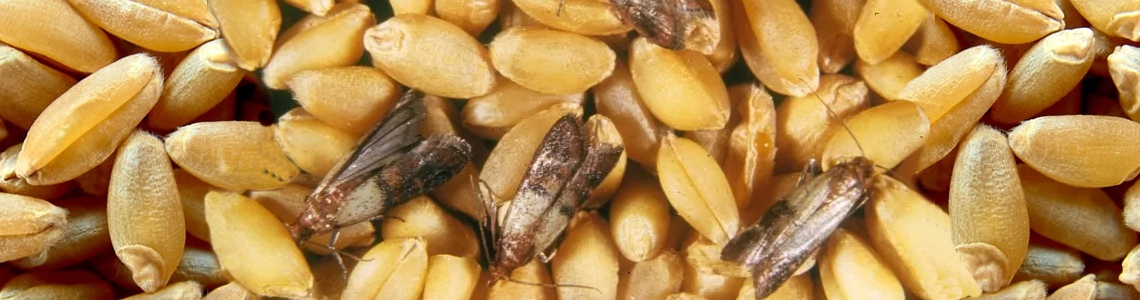
Quante volte in casa ci siamo ritrovati con la dispensa o qualche pensile, contenente farina, riso o pasta, infestata di farfalline o strane bestioline. Questo accade specialmente nella stagione estiva. In questo articolo cercheremo di capirne il perché e come difendersi
Le farfalline sono conosciute scientificamente con il nome di lepidotteri (Lepidoptera). Il termine, di derivazione greca, significa: ali con squame. I lepidotteri sono un ordine di insetti composto da circa 165.000 specie, di cui solo una parte estremamente esigua è associata alle derrate alimentari.
Le bestioline di cui si parla, invece, sono animaletti appartenenti all'ordine dei Coleotteri e alla famiglia dei Tenebrionidi (Tribolium) ed include 32 specie finora descritte.
COME COMBATTERE LE BESTIOLINE DELLA DISPENSA
È assolutamente importante sapere che il rischio di infestazione su prodotti alimentari c’è sempre (anche negli ambienti più protetti!) e che combattere le infestazioni è una pratica abbastanza impegnativa.
Quando l'infestazione è grave si trattano le strutture e pareti con prodotti idonei e impiego di gas chimici.
L'esperienza dimostra quindi come sia fondamentale imparare a prevenire il suo sviluppo, attraverso opportune procedure di prevenzione per minimizzarne il rischio.
Scopri i preparati Dolci & Pani
Queste farfalle o bestioline che si sviluppano sulle sostanze alimentari, spesso vengono chiamate genericamente con il termine di tignole, che nulla hanno a che fare con le tarme, nome utilizzato dai più per indicare quelle farfalline che attaccano gli indumenti. La differenza non è comunque così marcata in quanto alcune tarme sono anche tignole perché in grado di attaccare anche alcune sostanze alimentari.
l ciclo di sviluppo delle tignole è a metamorfosi completa, ovvero comprendente i seguenti stadi: uovo > larva (o bruco) > crisalide (o pupa) > adulto. Per alcune tignole comunemente presenti nella farina questo ciclo può compiersi in circa 3 settimane e quindi, nel giro di pochi mesi, l’infestazione può divenire molto grave.
Al termine di questo breve saggio illustreremo i tipi più diffusi di tignole che si annidano nella farina: Ephestia kuehniella, Plodia interpunctella, Pyralis farinalis, Sitotroga cerealella, Tribolium castaneum e Tribolium confusum.
LA CONTAMINAZIONE
L’attacco di questi parassiti alle derrate alimentari può cominciare in campo per quanto riguarda Sitotroga cerealella, mentre per le altre specie è successivo, poiché si tratta di insetti che attaccano i prodotti conservati e si compie soprattutto nelle fasi di lavorazione e stoccaggio.
Ricordiamo che gli insetti adulti, non potendo penetrare direttamente all’interno delle confezioni, possono deporre le uova su piccoli residui alimentari (p. es. accumuli di farina, semi o briciole, negli angoli dei magazzini o dei ripiani) mentre le larve che nascono sono invece in grado di forare, con le loro mandibole, sia cartone sia plastica.
Un fattore favorevole allo sviluppo delle tignole è poi dovuto al fatto che le derrate alimentari, dopo essere state raccolte in campo, spesso in paesi tropicali, possono sostare per diverso tempo nei magazzini dei luoghi di origine talvolta a condizioni di temperatura ottimali per gli insetti. Poi ci sono i lunghi viaggi in mezzi di trasporto magari non correttamente disinfestati o in promiscuità con altre derrate. Infine le soste nei vari magazzini di transito, anche in questo caso per tempi confacenti allo sviluppo delle tignole.
Spesso quindi, le uova, se non le larve, delle tignole sono presenti in tutti i cereali.
L’osservazione diretta della infestazione non è agevole, perché generalmente le infestazioni sono latenti e si sviluppano, come già detto, in un primo tempo sul prodotto alimentare di origine. Gli adulti possono accoppiarsi e deporre le uova senza fuoriuscire dall'imballaggio. Nel caso di infestazione dall'esterno, le tignole prediligono orari crepuscolari per i loro spostamenti, riducendo la possibilità di essere viste.
Alcuni segni della loro presenza sono le bave sericee prodotte dalle larve, che possono apparire come ragnatele sulle derrate stesse, sui residui di lavorazione ma anche sulle pareti e strutture di lavorazione.
Infatti crisalidi e adulti possono essere avvistati, le prime sugli angoli alti dei muri o dei bancali, i secondi posati sui soffitti e nelle zone alte delle pareti. Questo fenomeno è determinato dall’etologia delle larve che, a maturità tendono, ad abbandonare il prodotto, forando anche cartoni e pellicole plastiche e a portarsi nelle zone alte dei locali, per tessere un leggerissimo bozzolo protettivo ed impuparsi.
COSA FACCIAMO NOI DI DOLCI & PANI PER LIMITARE QUESTO PROBLEMA
Scopri ora i migliori preparati per dolci o pani per la tua cucina:
-
Controllo delle merci in entrata: evitare di immagazzinare prodotti con confezioni rotte o evidentemente contaminate;
-
Pulizia dei locali ed attrezzature; verificare tutte le possibili fonti di infestazione presenti, ove si possano annidare le tignole: oggetti decorativi con spighe e fiori ornamentali, frutta secca, soprattutto noci e arachidi, accumuli di residui alimentari che si depositano dietro o tra le attrezzature o i mobili;
-
Trattamenti periodici su mezzi di trasporto;
-
Lotta con trappole a feromoni, nel caso di tignole adulte. Il mercato mette a disposizione differenti tipi di trappole a feromoni specifiche per i diversi tipi di parassiti. La trappola non è altro che un emanatore di “profumo” (il feromone, specifico per ciascuna specie) che viene posizionato su una superficie collante. I maschi verranno attratti dal “profumo” e resteranno invischiati sul collante;
-
Riduzione dei tempi di stoccaggio. Considerato che lo sviluppo delle tignole, dallo stato di uova, richiede qualche settimana o mese o fondamentale ruotare la merce a magazzino molto velocemente;
-
Conservare i prodotti in ambienti con bassa umidità ed a temperatura controllata, ben al di sotto della soglia ottimale di riproduzione e sviluppo dei parassiti. È evidente che più bassa è la temperatura di stoccaggio più lungo è il periodo di schiusura della uova e quindi la formazione della larva/crisalide/tignola adulta. Nella seguente tabella sono riportate le temperature ottimali di produzione e sviluppo delle specie da noi considerate:
| SPECIE | DURATA DELLO SVILUPPO | T° OTTIMALE (°C) |
| Ephestia kuehniella | 21-130 gg | 25-30 |
| Plodia interpunctella | 23-305 gg | 18-34 |
| Pyralis farinalis | 45-60 gg | 26 |
| Sitotroga cerealella | 1-7 mesi | 27-28 |
| Tribolium castaneum | 40-365 gg e più | 22,5-40 |
| Tribolium confusum | 25-365 gg e più | 22,5-37,5 |
Con riferimento ai due ultimi punti, l'esperienza dimostra che il problema “infestazione” è maggiormente sentito nel periodo estivo ove, anche in presenza di ambienti puliti e trattati, inidonee temperature di stoccaggio unite a prolungati periodo di stoccaggio sono causa frequente della presenza di “farfalline” all'interno delle confezioni di prodotti sfarinati. La data di scadenza apposta sui prodotti sfarinati non assicura contro il rischio di infestazione da parassiti, ma garantisce solo l'idoneità microbiologica del prodotto (carica batterica, lieviti, muffe) entro il tempo stabilito nonché la lavorabilità e la resa del prodotto.
Nelle righe seguenti riportiamo le foto dei tipi più diffusi di infestanti.
| EPHESTIA KUEHNIELLA Nome comune: Tignola grigia della farina 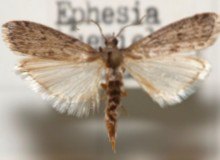 |
PLODIA INTERPUNCTELLA Nome comune: Tignola fasciata 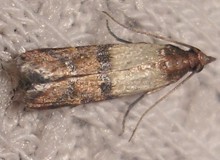 |
| PYRALIS FARINALIS Nome comune: Tignola della farina 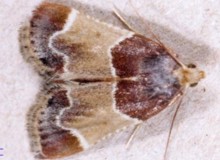 |
SITOTROGA CEREALELLA Nome comune: Vera tignola del grano 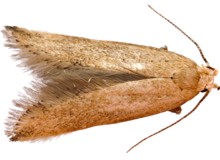 |
| TRIBOLIUM CASTANEUM Nome comune: Tribolio delle farine 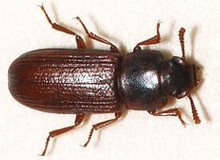 |
TRIBOLIUM CONFUSUM Nome comune: Tribolio 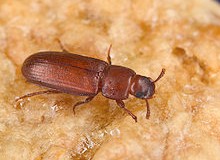 |
Ribadiamo che il problema delle infestazioni sulle derrate alimentari, e quindi sulle farine o sfarinati, è un problema ineliminabile. Grandi passi ha fatto l'industria molitoria, con opportune tecniche di lavorazione, per abbassare notevolmente la presenza di uova di tignole nelle farine, ma non è ancora possibile, salvo l'utilizzo di trattamenti chimici, peraltro dannosi per la salute umana, la loro completa eliminazione. Meglio quindi prevenire con le opportune modalità di conservazione, al di sotto della temperatura ottimale di riproduzione e sviluppo dei parassiti.
Scrivi un Commento