
Qual'è l'azione del lievito di birra nell'impasto?
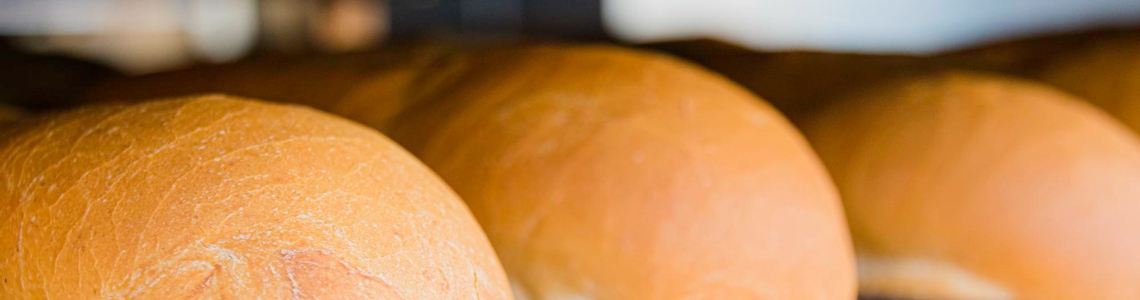
Il lievito di birra si chiama così perché originariamente veniva estratto dai residui della lavorazione della birra. Attualmente il lievito utilizzato in panificazione e pasticceria è un fungo monocellulare della specie "saccharomyces cerevisiae" che, immesso nell'impasto, a determinate temperature, produce tra l'altro anidride carbonica, un gas che si dissolve inizialmente nella pasta e successivamente, una volta saturate tutte le porosità dell'impasto, comincia ad esercitare una pressione sulla maglia glutinica che permette il rigonfiamento della pasta. Avviene in tal modo il processo di lievitazione, mentre poi con la cottura i lieviti vengono rapidamente uccisi.
In commercio si trova soprattutto il lievito di birra fresco compresso con scadenza limitata, mentre nella nostra linea consigliamo per praticità l’utilizzo del lievito di birra secco (confezionato sotto vuoto), che va dosato nella misura di 1/3 rispetto a quello fresco compresso, ed essendo di tipo istantaneo – che si attiva subito – non richiede assolutamente di essere idratato prima, cioè preventivamente sciolto in acqua.
Scrivi un Commento