Crackers, storia ed evoluzione
I cracker sono nati negli Stati Uniti d'America.
La loro invenzione è stata ad opera di un fornaio del Massachusetts, un certo Theodore, che nel 1792 s’impegnò nel creare una nuova versione di galletta dura da mordere, che fosse di lunga conservazione, poiché doveva servire per l’alimentazione di marinai e soldati.
Nacquero così delle gallette di acqua, sale e farina, che chiamò Pearson's Pilot Bread.
Le gallette ebbero un grande successo, ma inizialmente furono destinate solo all’Esercito americano.
Il merito della diffusione dei cracker si deve invece a Josiah Bent, sempre del Massachusetts, che nel 1801 ebbe la brillante idea di biscottare le nuove gallette nel forno, modificando la ricetta per renderle croccanti e friabili, e fu il primo a chiamarle “cracker”.
Il termine deriva infatti dal verbo inglese to crackle, che significa scricchiolare, scoppiettare.
Bent iniziò a vendere la sua invenzione direttamente ai consumatori, e ottenne un successo insperato, soprattutto perché il prodotto si conservava molto a lungo senza alterarsi.
Nel 1810, la Nabisco – National Biscuit Company – iniziò a produrli su larga scala, con una distribuzione capillare in tutti gli Stati Uniti.
Oggi i crackers sono diffusi in tutto il mondo. In Italia fu Pavesi il primo a introdurli sul mercato nazionale.
Sono apprezzati per la loro croccantezza e leggerezza, disponibili in numerosi gusti e sapori. Sono diventati lo spuntino per eccellenza: uno snack gustoso, perfetto come spezza-fame, amato sia dai grandi che dai bambini.
La versatilità dei crackers li rende un alimento indispensabile da tenere sempre in dispensa o nello zaino.
Come già detto, il nome “cracker” deriva da un suono tipico della lingua inglese. In origine si chiamavano “pilot-bread”, ma presto la gente iniziò a chiamarli “crackers” perché, una volta masticati, emettevano un suono simile al “crack”, grazie alla loro croccantezza.
La lavorazione classica dei crackers è lunga e piuttosto complessa, con due fasi di lievitazione per un totale di circa 24 ore.
Inizialmente si prepara un impasto chiamato “spugna”, ottenuto impastando una parte delle materie prime, tra cui lievito di birra, grassi ed eventuali additivi.
L’impasto viene posto a riposare in cella di lievitazione a temperatura e umidità controllata. A lievitazione avvenuta, si aggiungono le restanti materie prime fino ad ottenere una pasta soffice, che viene nuovamente lasciata lievitare.
Completata anche la seconda lievitazione, l’impasto viene laminato, piegato più volte e poi steso tramite cilindri o laminatoi fino allo spessore desiderato.
Segue la stampa della forma caratteristica, il taglio e la cottura in forno, da cui il cracker esce con un bel colore dorato e un’umidità inferiore al 3%.
Dopo la cottura, i cracker vengono spezzati e confezionati per la vendita nella grande distribuzione.
La complessità e la lentezza di questa lavorazione ci hanno spinto a cercare un’alternativa produttiva che mantenesse le caratteristiche dei cracker ma portasse vantaggi evidenti.
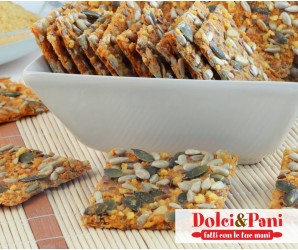
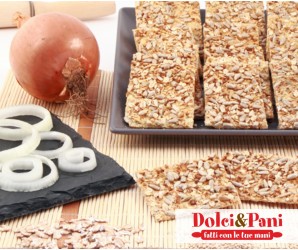
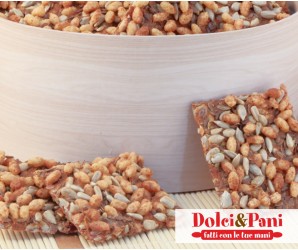
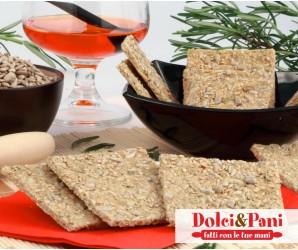
Così sono nati i SEMICROCK, un sistema innovativo e rivoluzionario per produrre crackers, anche se in una forma leggermente diversa da quella standardizzata e tradizionale con i caratteristici “buchi” che troviamo sugli scaffali dei supermercati.
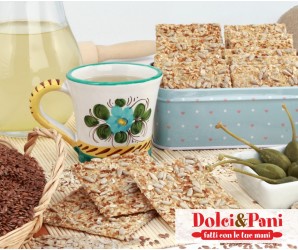
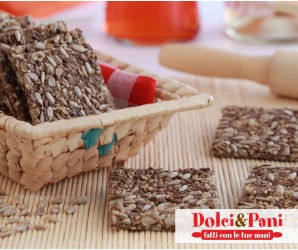
SEMICROCK è infatti una linea di farine bilanciate a base di cereali e semi per produrre cracker sfiziosi senza lievito, senza grassi e senza impastare.
È una linea versatile, molto assortita, pensata per coniugare sapore e facilità di produzione, consentendo a tutti – dalla massaia al panificatore fino al ristoratore – di ottimizzare tempo e costi senza rinunciare alla qualità.
VUOI CONOSCERE TUTTA LA LINEA SEMICROCK, CLICCA QUI
Grazie alla sua composizione studiata ad hoc, non occorre più impastare: è sufficiente stendere il preparato su una teglia già bagnata, spruzzarci sopra abbondante acqua e infornare per circa 20 minuti per ottenere crackers croccanti e fragranti.
Ideali per chi segue una dieta a basso contenuto di carboidrati, i SEMICROCK non contengono grassi né lievito.
Parliamo di crackers versatili e leggeri, perfetti per aperitivi, snack o come sostituti del pane, scegliendo il gusto preferito. Una vera opportunità per il panificatore e un’occasione di benessere per il consumatore, grazie a una linea di prodotti salutari e alternativi agli standard industriali.
I VANTAGGI SONO MOLTEPLICI:
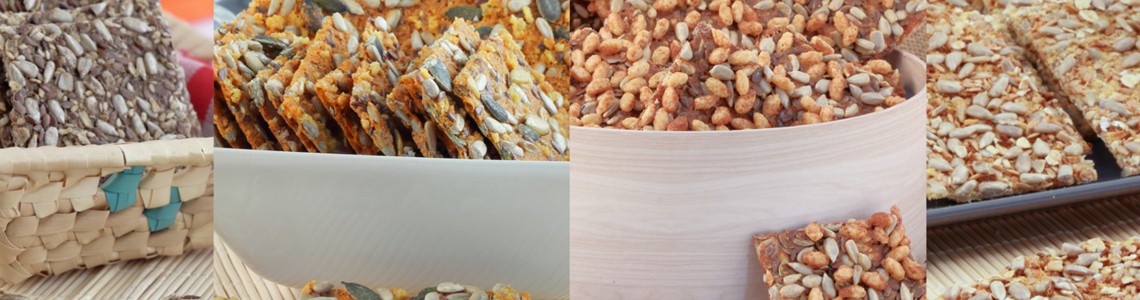
- Vasto assortimento: integrali, al mais, al pomodoro, alla cipolla, al rosmarino, ecc.
- Composizione completa: non richiedono aggiunte
- Semplici e facili da preparare: adatti anche a chi non è professionista
- Senza bisogno di impasto: risparmio di tempo e manodopera
- Risultato garantito: cracker sottili e croccanti
- Low Carb: basso contenuto di carboidrati
- Senza lievito e senza grassi
- Senza derivati del latte (tranne gusto cipolla) né dell’uovo
- Ricchi di fibre