
Il sale, l'oro bianco di una volta
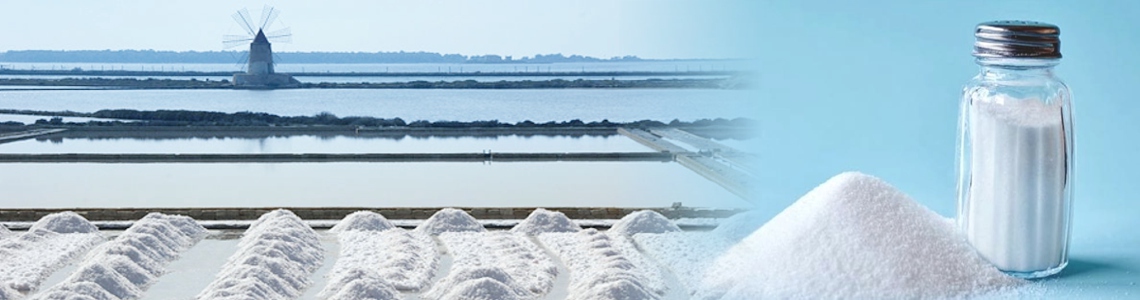
Il sale, ingrediente primario fin dalla preistoria, è il condimento più antico e forse più conosciuto ed utilizzato in gastronomia e nelle cucine di tutto il mondo. Per secoli è stato il più prezioso degli alimenti ed un conservante insostituibile. Documenti storici parlano dell’utilizzo del sale già nelle prime civiltà stabili a.C., quella sumerica, egiziana, ittita, ebrea, cinese.
Chiamato da Omero la sostanza divina e conosciuto dai Romani come oro bianco, perché raro e costoso, ha sempre avuto un ruolo fondamentale, non solo nell’alimentazione, ma anche nei rapporti economici e sociali tra culture e Paesi diversi. Il sale ha dato origine al nome della via “Salaria”, che collegava le saline di Ostia alla foce del Tevere, chi non la conosce? Ha dato origine alla parola salario poiché nell’antica Roma il sale veniva perfino dato ai legionari come compenso per il loro lavoro! E chi non conosce il modo di dire “avere sale in zucca”, per indicare saggezza, giudizio e intelligenza? Lo stesso Gesù nei vangeli disse “siate il sale della terra”!
Il sale è un composto chimico formato da un reticolo costituito da ioni legati da un forte legame ionico, da essi denominato cloruro di sodio (NaCl), costituito dal 40% di sodio e dal 60% di cloro.
Come si ottiene il sale
- Sale marino: La materia prima per la produzione tradizionale del sale è l’acqua del mare, per effetto della sua evaporazione con un effetto combinato tra sole e vento. L'acqua è raccolta in apposite vasche impermeabilizzate, dette “saline”, e – seguendo una serie di procedimenti successivi – si deposita sul fondo da cui viene prelevato quando i cristalli hanno raggiunto una determinata dimensione. In altre parole, il sale non si produce ma si raccoglie!
- Sale di salgemma: Senza ricorrere alle saline solari, il sale può essere estratto da antichi giacimenti sotterranei. In Italia, ad esempio, gran parte di questo sale proviene da una salina naturale di 6 milioni di anni fa della Sicilia, frutto di un lunghissimo processo di cristallizzazione spontanea, il cui sale si è formato quando i mari erano ancora integri a differenza di molti mari di oggi la cui qualità dell’acqua non rispetta purtroppo più le guide nutrizionali di una sana e corretta alimentazione (presenza della microplastica nei mari, ed ecco che fra gli oligoelementi minerali presenti nel sale potremmo trovare micro quantità di piombo, cadmio, mercurio, arsenico, ecc).
Effetti sulla salute
Dal punto di vista medico il cloruro di sodio, essendo un conduttore di elettricità, permette di trasmettere impulsi sensoriali a tutto il sistema nervoso e alle funzioni muscolari. È un regolatore della pressione sanguigna e dello scambio di liquidi nel corpo.
Altra caratteristica del sale è la sua funzione antibatterica e depurativa.
Tuttavia, un consumo eccessivo può causare ipertensione, osteoporosi, ritenzione idrica e altri disturbi.
Tipologie da conoscere
- Sale integrale di salgemma: naturale e ricco di oligoelementi.
- Sale iodato: Nei primi anni 2000 in Italia è stata emanata la legge n° 55 del 21/03/2005 per favorire il consumo di sale iodato. Aiuta a prevenire da patologie tiroidee ed altre patologie da carenza iodica, in tal senso così si raccomandata l’Organizzazione Mondiale della Sanità. Si può utilizzare in tutti gli alimenti freschi (insalate ecc.) ma è inutile se il cibo è poi cotto in quanto gran parte dello iodio, in quanto è un minerale volatile, fotosensibile e termoinstabile, non rimane nell'alimento da consumare.
- Sale iodato protetto: Trattasi del sale iodato, frutto di uno studio di collaborazione di un'azienda nazionale ed una Università italiana, che è in grado di evitare il processo di alterazione dello iodio, garantendo anche in cottura un tenore costante di iodio negli alimenti con una perdita minima. È quindi consigliabile leggere con attenzione le etichette degli alimenti, perché soltanto la presenza di tale sale iodato protetto consente di dichiarare nella confezione il “claim” salutistico “Fonte di iodio”.
- Sale iposodico: È in genere utilizzato in sostituzione del sale vero e proprio, in cui una parte del cloruro di sodio è sostituito da altri minerali a base di magnesio e di potassio. In caso di malattie renali e diabete deve esserne valutata la sua assunzione per la presenza del potassio da eliminare.
Il sale in panificazione
Viene impiegato nella percentuale di circa il 2% sul peso della farina e permette di:
- rafforzare la rete glutinica nel pane;
- ritardare la lievitazione;
- aiutare il processo di doratura in cottura.
Altri utilizzi del sale
Solo una minima parte della produzione del sale è destinata all’alimentazione umana, il resto viene impiegato in altri settori, ovvero:
- per fissare i colori in tintoria;
- nella concia delle pelli;
- per produrre detersivi;
- per trattare le acque;
- nelle raffinerie e vetrerie;
- sulle strade invernali, per evitare la formazione di ghiaccio.
Altri sali particolari
Un'altra curiosità ci porta a conoscere che nel mondo esiste una grande varietà di sali particolari, in genere conosciuti per la loro particolare colorazione dovuta alla presenza di sostanze naturali diverse dal cloruro di sodio. Enumeriamo soltanto qualcuno fra i più conosciuti:
- SALE ROSA DELL’HIMALAYA (sale fossile, colorato dalla presenza di ferro)
- SALE DOLCE DELLO UTAH (salgemma americano leggermente dolce)
- SALE BLU DI PERSIA (contiene silvite, minerale blu)
- SALE ROSSO DI ALAEA (per la presenza di argilla rossa)
- SALE NERO DELLE HAWAII (proveniente dalla lava di un vulcano)
- SALE GRIGIO DELLA BRETAGNA (deve il suo colore all’argilla contenuta)
- SALE NERO DI CIPRO (con aggiunta di carbone attivo)