Eritritolo, alla scoperta di questo interessante dolcificante naturale
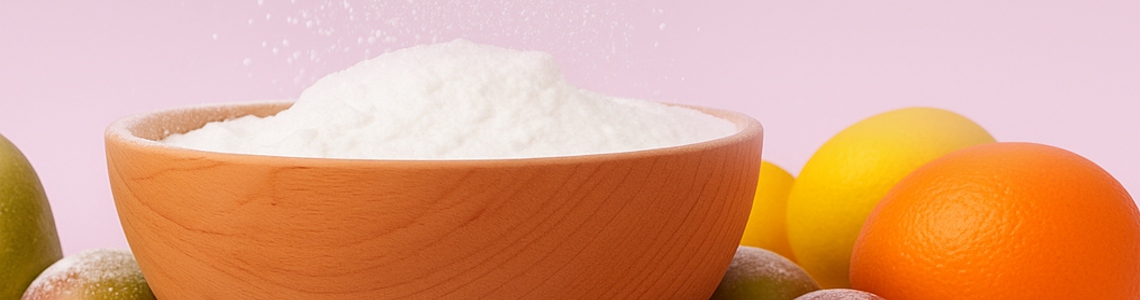
Una interessante linea di prodotti presenti nella gamma è PASTICCERIA ZERO ovvero una linea di preparati dolcificati con Eritritolo anziché con zucchero (ovvero il saccarosio, risultante dall’unione di glucosio e fruttosio).
Impariamo a conoscere questo interessante ingrediente ovvero l'Eritritolo che sta assumendo sempre maggiore rilevanza tra i dolcificanti, rappresentando una importante alternativa non solo allo zucchero ma anche agli altri dolcificanti naturali ed ancora ai più conosciuti dolcificanti sintetici e semi-sintetici....
L'Eritritolo è un dolcificante naturale utilizzato come sostituto dello zucchero da tavola (ovvero il saccarosio, risultante dall’unione di glucosio e fruttosio).
Come lo zucchero si presenta in piccoli cristalli bianchi ed è dolce ma non nello stesso modo, ha infatti un potere dolcificante stimato intorno al 60 - 70% rispetto allo zucchero.
L'Eritritolo, sciolto nell’acqua, dà la sensazione sulla lingua di un sapore rinfrescante. È ideale quindi per la preparazione di bevande estive ma si presta bene tutto l’anno pure nelle preparazioni dolciarie.
L’Eritritolo è presente in natura nei prodotti di origine vegetale, come la frutta o il mais, ed è estratto tramite un processo di fermentazione in specifici bioreattori.
Fino a pochi decenni fa era praticamente sconosciuto da tutti. Giappone e Stati Uniti sono stati tra i primi ad utilizzarlo in campo alimentare intorno agli anni ‘90. Successivamente, nel 2006, la Commissione europea ha inserito l'Eritritolo nell'elenco degli additivi alimentari (2006/52/CE) e lo ha approvato definitivamente nel 2008 (2008/100/CE). Ad esso è stato assegnato, in quanto additivo, la sigla E968.
Pian piano è iniziata la scoperta delle sue proprietà caratterizzate da un apporto calorico e nutrizionale pressoché nullo. La Commissione Europea ha infatti riconosciuto ed assegnato all'Eritritolo un valore energetico pari a 0 Kcal/g anche se il valore energetico nella realtà può variare da 0 ad un massimo di 22 Kcal per 100 grammi. Giusto per fare il confronto lo zucchero ha circa 392 Kcal per 100 grammi di prodotto!
Questo è il motivo principale per cui l'Eritritolo ha assunto e sta assumendo sempre maggiore rilevanza tra i dolcificanti, rappresentando una importante alternativa ai classici dolcificanti sintetici e semi-sintetici ma anche tra quelli naturali, ad esempio la Stevia che ha anch’essa un potere calorico pari a zero ma ha pure effetti lassativi importanti (si raccomanda di non eccedere 4 mg di Stevia per ogni kg di peso corporeo) e soprattutto ha un retrogusto leggermente amaro.
Ritornando nel confronto con lo zucchero, l’Eritritolo ha il vantaggio di avere un indice glicemico pari a zero, tale da evitare picchi glicemici legati al consumo di zuccheri durante i pasti.
È ideale nei pazienti diabetici o nei pazienti affetti da alterato metabolismo glucidico. La glicemia alta si verifica quando i valori di glucosio nel sangue aumentano sensibilmente rispetto a quelli standard. Ricordiamo che l’iperglicemia può comportare stanchezza generica, mal di testa, perdita di peso non giustificata da altre cause, poliuria (aumento della necessità di urinare in particolar modo nelle ore notturne), visione offuscata, infezioni varie. Ovviamente può portare a complicanze acute che possono avere conseguenze gravi.
Infine L’Eritritolo ha una ridotta attività cariogena, ovvero preserva il cavo orale dalla colonizzazione batterica. È dimostrato infatti che l'Eritritolo non viene convertito in acido dai batteri della bocca, a tutto beneficio contro la carie dentale. Sembra proteggere inoltre, come lo Xilitolo, dalla placca batterica.
Rispetto ai dolcificanti di sintesi, l’Eritritolo ha la caratteristica metabolica interessante di essere assorbito prontamente dalla mucosa intestinale e quindi di venire subito eliminato per via renale, senza accumularsi nel lume intestinale, limitando la comparsa di diarrea e dolori addominali crampiformi.
Un po’ di chimica
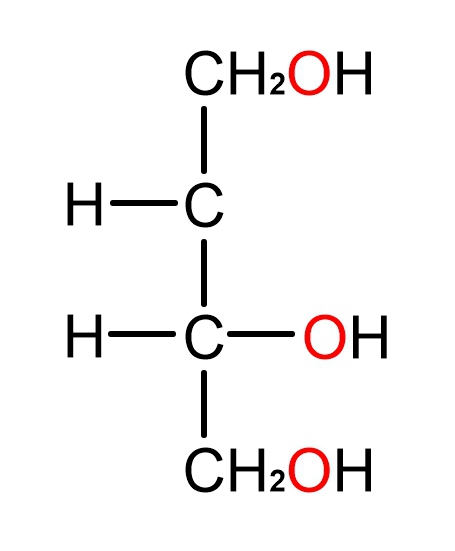
L'Eritritolo è un poliolo (polialcol) avente 4 atomi di carbonio (la formula chimica è C4H10O4).
Che cos’è un poliolo (o polialcol): è un composto chimico che contiene più gruppi ossidrilici (gruppi di atomi di formula -OH). È questo che determina il suo sapore dolcificante, la sua acariogenicità ovvero la capacità di non provocare la carie, il basso o nullo valore energetico, il basso indice glicemico e insulinico.
E proprio grazie alle sue ridotte dimensioni molecolari (quattro atomi di carbonio) e al suo basso peso molecolare (122.12 g mol-1) che oltre il 90% dell'Eritritolo ingerito è prontamente assorbito nel piccolo intestino ove non viene metabolizzato ed è subito espulso attraverso le urine. Il restante 10% è invece solo parzialmente metabolizzato nel grande intestino.
Disclaimer
Le informazioni fin qui riportate sono indicazioni generali e non sostituiscono in alcun modo il parere medico. Per un’alimentazione sana ed equilibrata si faccia sempre riferimento al proprio medico curante o ad un esperto di nutrizione.
Alcune fonti di approfondimento
https://it.wikipedia.org/wiki/Eritritolo
https://www.humanitas.it/.../eritritolo/
https://www.fondazioneveronesi.it/.../eritritolo-pro-e-contro-del-dolcificante-naturale