L'Alga Spirulina
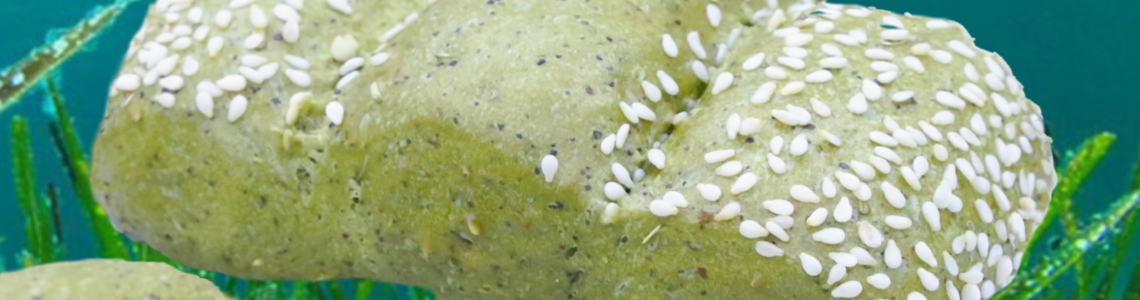
L’Alga Spirulina, chiamata in campo scientifico con il nome di “Arthrospira platensis”, è un alga che cresce nell'acqua dolce. Era conosciuta per le sue proprietà già al tempo degli Atzechi e dei Maya, nelle civiltà precolombiane, come “cibo degli Dei”, è però diventata famosa quando la NASA e l’Agenzia Spaziale Europea, tra la fine degli anni ‘80 e gli inizi ‘90, l’hanno proposta come uno degli ingredienti primari per gli astronauti nelle lunghe missioni.
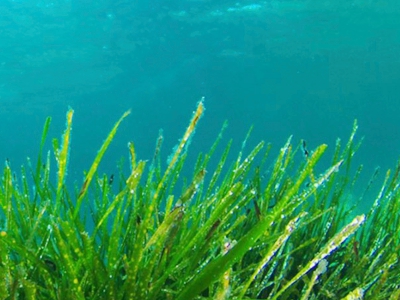
Si chiama così perché in natura la superficie dei suoi filamenti è ricoperta da una sorta di peluria (tricomi cilindrici multicellulari), le cui sottili appendici sporgono a forma di spirale.
L’Alga Spirulina è considerata a tutti gli effetti un integratore alimentare naturale, ideale per ogni genere di dieta dalle molteplici proprietà nutrienti. Rientra nella categoria delle alghe azzurre (famiglia delle “Cyanophiceae”), nonostante il suo colore sia verde per l’alto contenuto di clorofilla.
I suoi benefici sono tali da essere stata classificata dalla FAO, “Food and Agriculture Organization”, come integratore ottimale, un vero e proprio “super food”. Non a caso lo possiamo ritrovare in alcuni alimenti funzionali! Come integratore, il suo utilizzo è stato autorizzato negli Stati Uniti dalla FDA, la Food and Drug Administration, da più di 30 anni. Molti ne raccomandano l’uso anche come prodotto “cosmetico” in quanto migliorerebbe l’aspetto della cute e dei capelli, avrebbe effetti positivi sulla cellulite, ecc.
CARATTERISTICHE DELL'ALGA SPIRULINA
Ecco le principali caratteristiche dell’Alga Spirulina:
- presenta un bassissimo contenuto calorico;
- contiene un elevato contenuto di proteine (dal 55% al 65%);
- ha un elevato contenuto di clorofilla;
- ha una elevata concentrazione di vitamine del complesso B (ma non della vitamina B12), E, K e beta-carotene;
- contiene sali minerali importanti come calcio, ferro, potassio, magnesio, rame, zinco e selenio;
- contiene acido γ-linolenico (GLA) della serie Omega-6 e Omega-3;
- contiene tutti gli 8 amminoacidi essenziali (Fenilalanina, Isolucina, Leucina, Lisina, Metionina, Treonina, Triptofano, Valina); ricordiamo che gli amminoacidi essenziali sono quelli che il nostro corpo non è in grado di fabbricarli da sè ma devono essere necessariamente assunti con l’alimentazione; per completezza aggiungiamo che la funzione principale degli amminoacidi è quella di “costruire” le proteine che a loro volta sono necessarie per il processo di rinnovamento cellulare dell’organismo.
PROPRIETÀ TERAPEUTICHE DELL'ALGA SPIRULINA
Sono da sottolineare le ottime proprietà terapeutiche che l’Alga Spirulina possiede:
- grazie alle vitamine ed alle proteine presenti ha una preziosa azione ricostituente ed energizzante;
- la clorofilla contenuta è antianemica (insieme al ferro), purifica il sangue, tonifica il cuore e neutralizza molte tossine;
- l’Alga Spirulina contiene un principio attivo che si chiama ficocianobilina (circa per l’1% del suo peso) che è stato studiato in vitro contro l'HIV come agente chelante e come agente radioprotettivo. Studi su animali ne hanno rilevato un’efficacia preventiva nel declino della memoria correlato all'età, nel diabete mellito, nella sclerosi laterale amiotrofica e come antiallergenico (febbre da fieno);
- la sua composizione colloca l'Alga Spirulina come fonte di sostanze antiossidanti, per combattere quindi l’invecchiamento, in particolare quello cerebrale. Non a caso infatti è stata studiata a lungo da chi si occupa di disturbi dovuti alla degenerazione cellulare del cervello (Journal of Neuroscience, 2002);
- infine l'Alga Spirulina aiuta ad abbassare i livelli di colesterolo LDL e trigliceridi, per la presenza di acidi grassi essenziali come l’acido γ-linolenico (GLA) della serie Omega-6 e Omega-3.
A causa della presenza molto alta di vitamina K andrebbe assunta con attenzione nei soggetti che seguono trattamenti anticoagulanti o fluidificanti; inoltre per la presenza di fenilalanina non è adatta alle persone affette da fenilchetonuria.
Chi soffre invece di tiroidismo e non può assumere alimenti ricchi di iodio deve stare tranquillo poiché non è questo il caso dell’Alga Spirulina che, lo ricordiamo, non è un’alga di acqua di mare e contiene iodio se non in piccole tracce, come si trovano in tantissimi altri ortaggi vegetali che abitualmente mangiamo.
Preparato per Pane Verde all'Alga Spirulina
PANE CON ALGA SPIRULINA
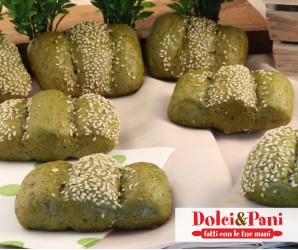
Con l'Alga Spirulina noi abbiamo studiato e realizzato un preparato per pane bello e nutriente, dal colore verde (ricordiamo che quest'alga è ricca di clorofilla), invitante e originale.
L’Alga Spirulina contenuta nel nostro preparato per pane è “made in Italy”, ovvero è prodotta in Italia in un impianto di produzione di microalghe all’avanguardia con fotobioreattori tubolari, cioè un sistema chiuso di processo con acqua purificata, che non utilizza sistemi tradizionali classici a vasche aperte.
Ricordiamo che l'Alga Spirulina è un cianobatterio che può essere contaminato da microcistine, ovvero tossine prodotte da altri tipi di cianobatteri. È quindi importante il controllo sulla suddetta contaminazione, poiché tali tossine possono causare disturbi gastrointestinali e, a lungo termine, disturbi anche gravi a carico del fegato. Per questo motivo abbiamo preferito evitare di utilizzare Alga Spirulina di provenienza estera da Paesi stranieri, soprattutto la Cina, dove gli standard di produzione non garantiscono elevati protocolli di sicurezza alimentare.
Inoltre, la tecnologia di produzione utilizzata dal nostro fornitore, produttore italiano, garantisce l'esenzione da contaminazioni microbiologiche e da metalli pesanti (già avvenuto nel passato in prodotti di importazione) tramite un controllo puntuale dell'acqua di coltura e dei parametri di crescita dell’alga. La successiva essiccazione avviene a basse temperature, mantenendo un elevato livello quantitativo di principi attivi e ottime caratteristiche organolettiche.
Preparato per Pane Verde all'Alga Spirulina