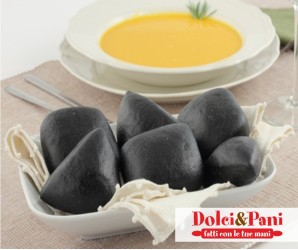
Il pane al carbone vegetale
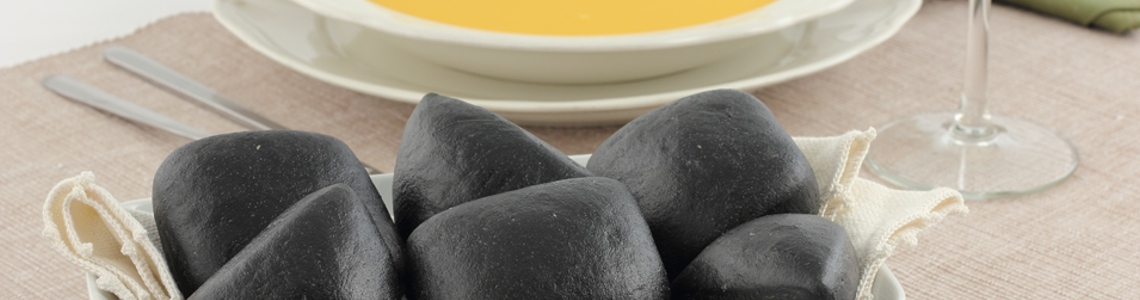
Il 5 gennaio 2016 il Corpo Forestale della Regione Puglia ha sequestrato del pane al carbone vegetale a 12 panificatori tra Bari, Andria, Barletta, Foggia, Taranto e Brindisi che sono stati denunciati con l'accusa di frode nell'esercizio del commercio e produzione di alimenti trattati in modo da variarne la composizione naturale con aggiunta di additivi chimici non autorizzati dalla legge.
La preparazione dei prodotti da forno sequestrati avveniva attraverso l'aggiunta di carbone vegetale alle ricette classiche del pane e della focaccia, purtroppo ignorando che il carbone vegetale è classificato come colorante (E153) ed in quanto tale vietato dalla legislazione nazionale e da quella europea.
Ancor prima del sequestro, c'erano state però delle crociate contro questo fenomeno dilagante, adducendo terribili danni per la salute, o arrivando anche a dichiarare la cancerogenicità di tale ingrediente, nonostante molti sottolineassero che il carbone vegetale sia venduto in farmacia o in erboristeria quale integratore alimentare utilissimo per combattere comuni disturbi digestivi e meteorismo o, più in generale, gli stati di gonfiore addominale.
Infatti il carbone vegetale ha la proprietà fisica di legarsi e intrappolare nella propria struttura sostanze gassose e liquide, quindi libera l'organismo da gas presenti nell'intestino o nello stomaco, non solo, è addirittura utilizzato in farmacologia nei casi d’avvelenamento accidentale o volontario, grazie al suo elevatissimo potere assorbente.
L'aggiunta di carbone nel pane è pertanto sembrato a molti un’ottima alternativa al pane comune permettendo di godere delle proprietà benefiche del carbone vegetale direttamente con il consumo quotidiano.
Comunque sia, fino adesso c'è stata poca chiarezza sul caso.
Ad esempio, sul telegiornale di RAI NEWS del 6 gennaio 2016, il dott. Mario Solano, Nutrizionista dell'Istituto Superiore di Sanità, intervistato dal giornalista, ha dichiarato che il carbone vegetale "in realtà non può essere utilizzato nel pane e in alcuni prodotti di pasticceria freschi, è autorizzato sia in Italia che in tutta la Comunità Europea come additivo, quindi in piccolissimi concentrazioni in alcuni prodotti da forno" "ed è proprio nella sua quantità che sta la sicurezza d'uso per i consumatori".
A nostro parere, l'unica affermazione vera tra queste è che non può essere utilizzato nel pane in quanto la legge vieta l'uso di coloranti nella produzione del pane. In tutti gli altri prodotti, freschi e non, genericamente definiti come prodotti da forno può essere utilizzato “quanto basta” ovvero non c'è un limite alla quantità impiegata. Il fatto che non esista un limite di utilizzo nei prodotti da forno rende insussistente anche le preoccupazione sulla sua sicurezza alimentare. Si pensi che in farmacia sono vendute pasticche contenenti 1-2 grammi di carbone vegetale da assumere più volte al giorno! Difficilmente tale dosaggio viene raggiunto anche mangiando un Kg di prodotto al carbone vegetale!
Al dibattito aggiungiamo anche che su STRISCIA LA NOTIZIA del 7 gennaio 2016, un giornalista ha intervistato il dott. Giuliano Palomba, commissario capo del Corpo Forestale dello Stato della regione Puglia, che ha precisato che è stato sequestrato del "pane nero e focaccia" che è stato “realizzato con una sostanza che l'Unione Europea ha definito colorante (E153) e come tutti i coloranti non possono essere utilizzati nella produzione di pane e prodotti simili”.
Ecco quindi il punto: l'utilizzo del carbone vegetale non è consentito per legge (non certo per buon senso) nel pane anche se anche qui il dott. Palomba si è “allargato” un po' aggiungendo che non è consentito nella produzione di prodotti simili al pane, il che non è vero perché fa fede la dichiarazione del prodotto e la legge parla di divieto nel solo “pane”!
Il punto fondamentale quindi è che il carbone vegetale non è stato considerato dall'attuale normativa un ingrediente ma un colorante, più precisamente è stato classificato dal Regolamento UE n. 1333/2008 come colorante alimentare naturale (e indicato con il numero E153) ed ammesso nei prodotti da forno fini in quantità “quantum satis” cioè “quanto basta” (Allegato II, Parte E del Regolamento) e così confermato dalle integrazioni di cui al Regolamento UE n. 1129/2011.
Quindi il “pane” al carbone vegetale non si può dichiarare “pane” ma come qualsiasi altro prodotto da forno con un nome di fantasia. Tutto qui. A nulla valgono poi altre considerazioni allarmistiche sulle pericolosità di tale ingrediente.
Forse l'unica vera accortezza è che nonostante il basso dosaggio di carbone vegetale contenuto nei prodotti da forno consigliamo alle persone che prendono farmaci di non assumerli da 30 minuti prima a due ore dopo il consumo di prodotti ottenuti con l'aggiunta di carbone vegetale in quanto, come già detto, il carbone vegetale "potrebbe" assorbire i principi attivi dei farmaci.
Non ci sono altre controindicazioni.
A fugare ogni dubbio è apparsa giusto in questi giorni una circolare del Ministero della Salute (protocollo 47415-P del 22-12-2015 indirizzato agli Assessorati alla sanità delle Regioni e delle Province autonome) che conferma quanto detto, ovvero:
- è ammissibile la produzione di un “prodotto della panetteria fine” che agli ingredienti di base (acqua, lievito e farina) preveda il carbone vegetale come additivo colorante;
- non è ammissibile presentarlo, etichettarlo e pubblicizzarlo come “pane” (quindi va proposto con un nome di fantasia);
- non è ammissibile dichiarare o pubblicizzare gli effetti benefici del carbone vegetale per l’organismo umano (in quanto colorante).
Nella circolare non si fa (giustamente) menzione sulle polemiche relative alla salubrità del prodotto o alla sua pericolosità per la salute umane.