
Il cioccolato: dalle origini ai giorni nostri
Uno studio del febbraio 2013, condotto presso l’Università Politecnica di Ancona, ha confermato che le donne amano, in modo innato, il cioccolato molto più dei maschi. Questa potrebbe essere la sintesi di questo studio che ha esaminato 100 donne in procinto di partorire e la reazione dei loro feti quando le mamme mangiavano cioccolato. Più scuro era il cioccolato e maggiore era la reazione del feto. Tutti i feti hanno reagito al cioccolato, ma la stimolazione è stata più evidente nei feti femminili.
STORIA DEL CACAO
L'albero del cacao, un sempre verde e alto fino a 10 metri, è originario dell'Amazzonia.
Tale regione del Sud America è situata per circa il 65 % del territorio in Brasile, ma si estende anche in Colombia, Perù, Venezuela, Ecuador, Bolivia, Guyana, Suriname e Guyana Francese.
Furono però i Maya, che iniziarono la coltivazione della pianta in maniera più intensiva intorno al 1000 a.C. Essi abitavano più a nord, nelle terre che si estendono oggi a Sud del Messico, fra la penisola dello Yucatàn, il Chiapas e la costa pacifica del Guatemala.
Presso i Maya il cioccolato veniva chiamato Kakaw Uhanal, ovvero “Cibo degli Dei”, ed il suo consumo era riservato solo ad alcune classi della popolazione (sovrani, nobili e guerrieri).
I Maya amavano la bevanda di cacao preparata con acqua calda. Acqua si diceva Haa, e caldo si diceva Chacau. La bevanda di cacao assumeva il semplice nome di Chacauhaa che richiama e si avvicina molto al termine spagnolo, oltreché inglese, di Chocolate.
Oltre ad un impiego liturgico e cerimoniale, il cioccolato veniva consumato come bevanda, chiamata Xocoatl, spesso aromatizzata con vaniglia, peperoncino e pepe. Lo Xocoatl aveva l'effetto di alleviare la sensazione di fatica, effetto probabilmente dovuto alla teobromina in esso contenuta (attenzione però che la teobromina contenuta nel cioccolato è tossica per i cani, i cavalli ed altri piccoli animali che sono incapaci di metabolizzarla). I semi di cacao erano comunque un articolo di lusso tant'è che venivano utilizzati come moneta di scambio: nel tesoro dell'imperatore Montezuma se ne poterono trovare quasi un miliardo.
Nel 1502 il cacao viene portato in Europa, per la prima volta, da Cristoforo Colombo di ritorno dall'Honduras, il suo quarto e ultimo viaggio, ma non diede alcuna importanza alla scoperta, probabilmente colpito dal gusto amaro della bevanda.
Fu solo nel 1519 che Fernando Cortés, convinto del successo che tale bevanda avrebbe avuto nei salotti bene, lo riportò in Europa. Ma ancor più tardi, verso la fine del 1500, i gesuiti spagnoli, depositari di una lunga tradizione di miscele e infusi, vi aggiunsero lo zucchero per correggerne la naturale amarezza e tolsero il pepe e il peperoncino.
Per tutto il '500 il cioccolato rimase un'esclusiva della Spagna, poi nel '600 alla corte di Francia il cioccolato diventa una bevanda alla moda. Fu poi la volta di Inghilterra e Austria. In Italia arriva nel 1635.
Alla fine del 1700 il primo cioccolatino da salotto, come lo conosciamo oggi, fu inventato a Torino. Nel 1802 Bozzelli inventò una macchina per raffinare la pasta di cacao e miscelarla con zucchero e vaniglia, anche se bisognerà aspettare il 1820, in Inghilterra, affinchè il sistema fosse messo a punto per produrre la prima tavoletta commerciale di cioccolata. Nel 1826 Pierre Paul Caffarel iniziò la produzione di cioccolato in grandi quantità grazie ad una nuova macchina e nel 1828 l'olandese J. Van Houten brevettò un metodo per estrarre il grasso dai semi di cacao trasformandoli in cacao in polvere e burro di cacao e sviluppò inoltre il cosiddetto processo olandese, consistente nel trattare il cacao con alcali per rimuoverne il gusto amaro.
Nel 1875, in Svizzera, Daniel Peter iniziò a includere il latte tra gli ingredienti, presentando sul mercato il cioccolato al latte. Per rimuovere l'acqua contenuta nel latte, consentendone una più lunga conservazione, fu assistito da un vicino, un signore di nome Henri Nestlé, il cui nome tutti noi conosciamo.
Nel 1879 Rudolph Lindt infine inventò il processo chiamato concaggio che consiste nel mantenere a lungo rimescolato il cioccolato fuso per assicurarsi che la miscelazione sia omogenea ottenendo il cosiddetto “cioccolato fondente”.
LAVORAZIONE DEL CACAO
Le piantagioni di cacao iniziano a produrre frutti dopo 4 o 5 anni. Ogni pianta fornisce 1–2 kg di semi secchi e fruttifica due volte all'anno. La pianta teme l’insolazione diretta e quindi cresce all’ombra di alberi più alti quali palme e banani.
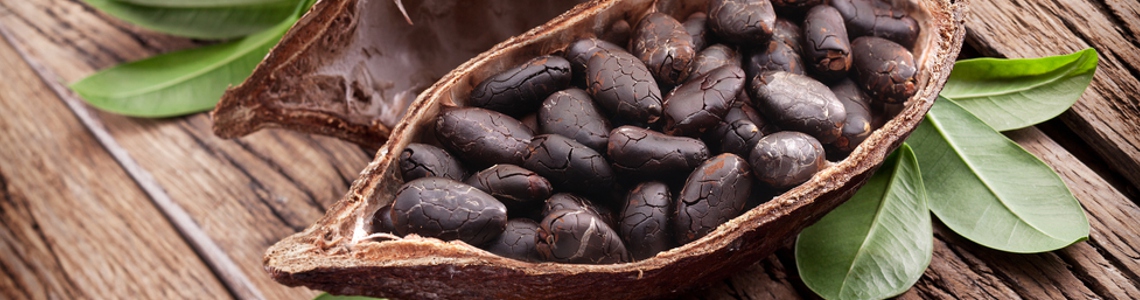
Le fave, o semi, sono racchiuse in un guscio detto cabossa, delle dimensioni circa di una barbabietola da zucchero. Ogni cabossa contiene circa 50 semi all'interno dei quali si trova la mandorla da cui si ricava il cacao. La cabossa viene schiacciata e lo si fa riposare per circa una settimana, per poi estrarne la polpa ed i semi.
La lavorazione del cacao è lunga e prevede diverse fasi:
- Fermentazione
- Essiccazione
- Tostatura (o torrefazione)
- Decorticazione e degerminazione
- Triturazione
- Separazione del grasso
- Macinazione
- Solubilizzazione
I semi sono fatti fermentare sui 45 - 50 °C per 5-6 giorni cosicché la polpa si liquefa e viene eliminata, la fermentazione inattiva il seme, che smette di germogliare e provoca il rammollimento della polpa rimasta aderente al seme ed l'ingrossamento del seme stesso che assume una colorazione bruna. I semi vengono fatti seccare al sole, quindi vengono sgusciati, torrefatti, ripuliti dai cotiledoni (le “radichette” che spuntano con la germinazione anche se più precisamente sono foglie embrionali carnose), triturati per ottenere la massa di cacao che può essere utilizzata allo stato di fatto se si vuole fare il cioccolato, oppure continuare il trattamento con la separazione del grasso.
Il grasso viene separato con un passaggio di filtrazione e pressatura. Quindi segue la macinazione in polvere sottilissima al fine di ottenere una polvere detta cacao solubile che contiene ancora una piccola percentuale di grasso che viene separata attraverso la solubilizzazione (riscaldamento con vapore e carbonato di sodio o di potassio).
Le varietà del cacao sono soprattutto tre:
- Forastero (l'80% della produzione mondiale);
- Criollo (10% della produzione mondiale), di aroma e qualità superiori, spesso usato per tagliare il Forastero;
- Trinitario (restante 10%) con caratteristiche intermedie ai primi due.
Tre sono pure le grandi zone dove viene coltivato in grandi quantità, il cacao:
Cacao americano: i più apprezzati sono quello messicano, il Bahìa brasiliano, coltivato in Brasile, Colombia e Ecuador e infine il Chuao e Porcelana, coltivati in Venezuela;
Cacao asiatico: Indonesia e Sri Lanka;
Cacao africano: importante la qualità prodotta in Ghana e anche quelle coltivate in Camerun, Nigeria, Costa d'Avorio e Madagascar.
PREPARAZIONE DEL CIOCCOLATO
La preparazione del cioccolato avviene in più fasi:
- Miscelazione
- Concaggio
- Temperaggio
- Modellaggio
- Confezionamento
Il processo di preparazione del cioccolato inizia con la miscelazione della pasta di cacao, ottenuta dalla lavorazione dei semi del cacao, insieme agli altri ingredienti necessari diversi dal tipo di cioccolato che si desidera ottenere.
Per il Fondente: pasta di cacao, burro di cacao, zucchero e vaniglia;
Per il cioccolato al latte: come sopra, ma con aggiunta di latte o latte in polvere;
Per il Cioccolato bianco: burro di cacao, zucchero, vaniglia, latte o latte in polvere
Spesso viene aggiunta anche la lecitina di soia, che agisce come agente emulsionante favorendo una maggiore omogeneizzazione degli ingredienti.
L'impasto viene poi passato al concaggio, tramite apposite impastatrici dette conche, durante il quale i vari ingredienti sono ridotti a dimensioni inavvertibili dalla lingua ed a farne una massa perfettamente liscia ed omogenea. Ciò avviene a temperatura controllata.
La fase successiva al concaggio è il temperaggio ovvero il trattamento attraverso il quale il burro di cacao, che tenderebbe a cristallizzare in modo polimorfo ed irregolare, viene opportunamente cristallizzato in modo omogeneo.
Il burro di cacao infatti può cristallizzare addirittura in sei strutture differenti, ma solo una, chiamata forma V o β è quella che fornisce al cioccolato la lucentezza, la rigidità, e la capacità di sciogliersi letteralmente in bocca avendo una temperatura di fusione di poco inferiore alla temperatura corporea e quindi appagare i nostri sensi visivi e di gusto.
Il temperaggio consiste nel raffreddare la massa di cioccolato gradualmente da 45 °C a 27 °C, quindi riscaldata a 31 °C (±1 °C) per il cioccolato fondente, e 29 °C per quello al latte e successivamente raffreddata fino allo stato solido.
Dopo il temperaggio il cioccolato viene sottoposto al modellaggio ovvero viene versato in stampi che sono posti in leggera vibrazione per eliminare le bolle di aria imprigionate all'interno. Una volta raffreddato, il cioccolato assumerà la forma degli stampi ed è pronto al confezionamento.
CIOCCOLATO E L'AMORE
La leggenda racconta che l'imperatore Montezuma bevesse del Xocolatl prima di recarsi in visita dal suo harem. E che si preoccupasse facessero altrettanto anche le fanciulle che gli venivano portate a corte come offerta.
Gli aztechi bevevano inoltre il cioccolato e in grandi quantità in occasione delle cerimonie religiose in onore di Xochiqueztal, il loro dio dell'amore.
Ancor oggi il cioccolato è il regalo preferito degli innamorati, non solo nel classico giorno di San Valentino. Secondo alcuni studi il cioccolato avrebbe un'influenza positiva sull'umore degli esseri umani e aumenterebbe il desiderio sessuale proprio come sosteneva Giacomo Casanova.
Effettivamente, il cioccolato contiene la feniletilamina, una sostanza chimica capace di creare dipendenza e assuefazione ed è alla base dell'innamoramento e dell'attrazione amorosa. Mentre in soggetti non innamorati è pressoché assente, in soggetti innamorati ne sono state trovate grandi quantità nel sangue e nell'urina.
Oltre a ciò altri studi correlano la feniletilammina contenuta nel cioccolato con la diminuzione del fenomeno della depressione, ed ancora c'è chi sostiene che il cioccolato riduca anche i fattori di rischio cardiovascolare attraverso il suo alto contenuto di flavonoidi, ai quali è riconosciuto un elevato potere antiossidante.
RICONOSCERE UN BUON CIOCCOLATO
Nel gustare un buon cioccolato fondamentale sono le condizioni di conservazione. La temperatura dovrebbe oscillare tra i 16 e 18° C e l'umidità essere bassa, 40- 50%. Inoltre, il cioccolato assorbe con facilità i cattivi odori e dovrebbe essere tenuto in una scatola ermetica.
Nel valutare un cioccolato teniamo presente le seguenti indicazioni:
- Aspetto: il cioccolato deve essere liscio, lucente, di colore mogano scuro.
- Profumo: non deve avere troppo sentore di dolce.
- Suono: spezzandolo il cioccolato deve produrre uno schiocco netto. Se si scheggia è troppo secco, se resiste invece alla rottura, è troppo morbido e ceroso.
- Tocco: tenuto tra le dita tende a sciogliersi velocemente in mano, per effetto del burro di cacao contenuto.
- Palato: in bocca deve essere assolutamente liscio e morbido, sciogliendosi quasi all'istante.
- Sapore: il sapore e gli aromi devono svilupparsi in modo duraturo e persistente, con una nota di amaro ed un pizzico di acidità, oppure dolce con retrogusto di cacao, ananas, banane, vaniglia e cannella.
- Conservazione: umidità e caldo sono nemici del cioccolato poiché creano delle brutte fioriture in superficie. Il caldo fa affiorare il burro di cacao che tende poi a cristallizzare in modo disomogeneo. Il sapore resta inalterato ma l'aspetto è rovinato. L'umidità fa risalire in superficie i cristalli di zucchero che si dissolvono all'aria o ricristallizzano formando una sgradevole patina grigia. Sia l'aspetto sia la struttura del cioccolato peggiorano.
COME ASSAGGIARE IL CIOCCOLATO
L'ideale è gustarsi il cioccolato a stomaco vuoto. La temperatura migliore per assaporare il cioccolato è tra i 19 e 25° C.
Poi bisogna masticarlo più volte per percepirne fino in fondo gli aromi. Aderendo al palato è possibile poi percepirne tutta la pienezza e gamma dei sapori.
E se dopo il cioccolato viene sete? Molti sostengono che il cioccolato e vino non vadano troppo d'accordo. Ma un vino dolce e fermo è probabilmente un buon compagno per un dessert a base di cioccolato, anche se i professionisti del cioccolato lo assaggiano bevendo di tanto in tanto, solo acqua fresca!