
Perché è importante aggiungere gradatamente i liquidi, soprattutto l’acqua, nell’impasto?
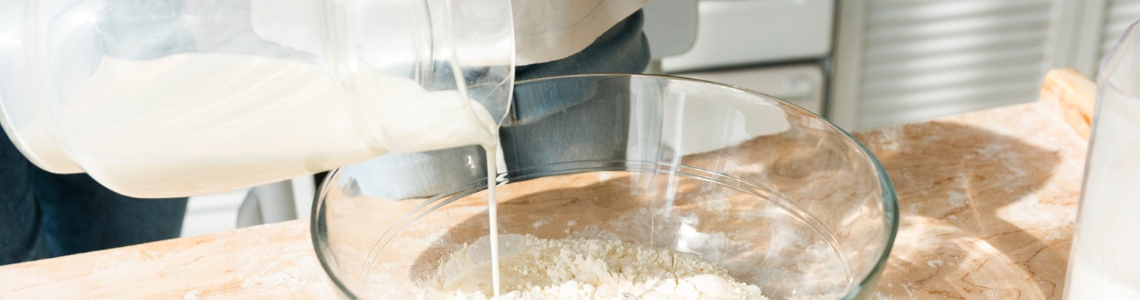
La problematica, quando la quantità dei liquidi nella ricetta risulta variabile ed oscillatoria (ad esempio: 500 g circa), è già stata affrontata in altro punto. Quasi sempre però nei dosaggi consigliati in etichetta viene indicata una quantità di liquidi (acqua, olio o uova) precisa e ben definita da rispettare, che tuttavia sottintende anche in questo caso una implicita tolleranza legata a diversi fattori esterni, visto che l’arte culinaria non è una scienza esatta matematica. Infatti l’operatore professionale, fornaio o pasticcere, che conosce bene il suo mestiere, sapendo quanto sia di fondamentale importanza il giusto assorbimento dei liquidi nell’impasto per ottenere un buon risultato finale, usa l’accortezza e l’abitudine di aggiungere l’acqua gradatamente fino ad una ottimale idratazione degli impasti.
Può talvolta succedere che ci sia bisogno di mettere un po’ meno acqua (di solito max. 5% circa), oppure di aggiungerne un po’ di più rispetto alla quantità prevista, è l’esperienza che in questi casi aiuta molto. Tutto ciò è soprattutto dovuto ad alcuni elementi variabili da considerare: umidità del prodotto impiegato; temperatura e tempi di stoccaggio del prodotto; stagionalità di produzione delle farine contenute nel prodotto.
È una buona pratica non versare tutta e subito l'acqua nell'impasto secco. Altro errore possibilmente da evitare è quello di mettere prima i liquidi e poi aggiungere la materia in polvere “a pioggia”.