
Quali sono alcuni accorgimenti per una lavorazione ottimale dei nostri preparati con la macchina del pane?
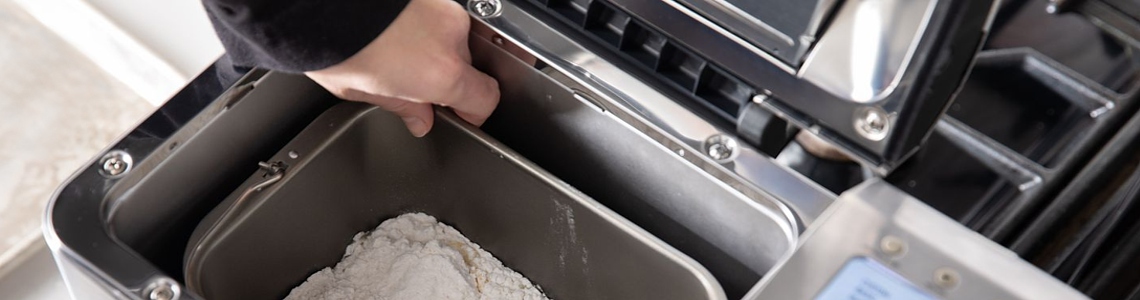
In un precedente punto avevamo già accennato che con l'uso della macchina del pane in alcuni casi sarebbe meglio abbassare leggermente (circa – 5%) la quantità di acqua consigliata in etichetta nei nostri preparati. Il semplice motivo di questo accorgimento è legato al gancio o aletta della macchina che lavora meglio con impasti di una consistenza leggermente maggiore e più sostenuta, rispetto ad un impasto più idratato con lavorazione manuale o con impastatrice. Questa operazione andrebbe fatta soprattutto se il preparato contiene semi e/o fiocchi integrali. Un corretto assorbimento dei liquidi sta infatti alla base del risultato finale ottimale con la macchina del pane.
Inoltre, usando i nostri preparati, che hanno una resa in sviluppo soddisfacente, sarebbe meglio scegliere un dosaggio medio (max. 750 g), evitando quello da 1 Kg, per non correre il rischio che raggiunga lo sportello superiore e che di conseguenza si affossi al centro se lo tocca.
Ogni macchina prevede l'impostazione di programmi specifici di lavorazione (pane bianco, integrale, ecc.), digitando pure la quantità di pezzatura, il grado di cottura, ecc. Con i nostri preparati, seguendo l'ordine degli ingredienti da inserire nel cestello, va bene iniziare mettendo prima i liquidi (acqua e/o olio evo) per poi aggiungere la farina, cioè il preparato, insieme al lievito di birra. Trattandosi di miscele ben bilanciate il lievito può essere inserito assieme al preparato, ma se per consuetudine il lievito viene aggiunto per ultimo non c'è nessuna controindicazione!
Un capitolo a parte riguarda i preparati caratterizzati da impasti leggermente o parecchio collosi (ad esempio se contengono un'alta percentuale di farina di segale). In questo caso, durante la fase iniziale d'impasto, può succedere che la pasta tenda a restare attaccata alle pareti del cestello e quindi sarebbe consigliato monitorare la prima fase di lavorazione ed eventualmente aiutare la pasta con una spatola morbida, aprendo il coperchio della macchina in azione.