
Olio di palma: cerchiamo di vederci chiaro
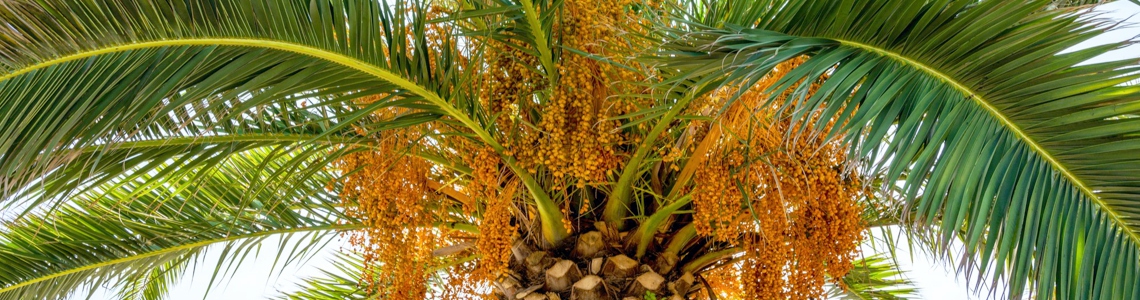
Nel 2015 uno degli argomenti che più ha fatto discutere nei salotti televisivi così come nelle case è stato il "famigerato" olio di palma, un olio di origine vegetale cui sono state imputate accuse sotto vari profili: nutrizionale, salutistico, ambientale e socio-economico.
Ma quest’olio di palma da dove viene? Qual è la sua storia? In che modo può essere considerato dannoso per la salute? In quali alimenti si trova? E soprattutto, perché è uno degli oli più utilizzati nell’industria alimentare?
Come per ogni questione spinosa che si rispetti, andare adagio per cercare di sbrogliare un nodo per volta è sicuramente il metodo più efficace.
L'OLIO DI PALMA: COS'È E DA DOVE SI RICAVA?
L’olio di palma è oggi uno dei grassi vegetali più utilizzati nell'industria alimentare. Tuttavia era noto già ai tempi degli Egizi per le sue particolari caratteristiche che ora cercheremo di analizzare.
Si tratta di un olio vegetale costituito per circa metà da grassi saturi (49%) e per metà da grassi insaturi (51%), estratto tramite spremitura dal frutto della palma da olio (Elaeis guineensis, Elaeis oleifera e Attalea maripa) coltivata prevalentemente in Malesia e in Indonesia
L'olio di palma non va confuso con l'olio di palmisto, ricavato invece dai semi del frutto, che ha caratteristiche nutrizionali diverse.
Oltre ad essere impiegato nell'industria alimentare, l'olio di palma è utilizzato ampiamente nei settori bioenergetico, zootecnico, oleochimico, farmaceutico e cosmetico.
Nelle prossime righe cercheremo di spiegare perché è utilizzato, se è dannoso per la salute come taluni sostengono e quali sono le sue implicazioni ambientali (da molti ritenuto l'aspetto più importante da considerare).
PERCHÈ VIENE UTILIZZATO NELL' INDUSTRIA ALIMENTARE?
I vantaggi presentati da questo grasso vegetale sono considerevoli e sicuramente ne favoriscono il suo utilizzo su ampia scala nell'industria alimentare.
L'olio di palma ha innanzitutto una buona resistenza alla frittura poiché ha un punto di fumo di circa 240°C, il più alto rispetto a tutti gli altri oli. Cosa significa?
Gli acidi grassi contenuti nell'olio, se soggetti ad un aumento di temperatura senza sosta, raggiungono prima o poi la loro temperatura massima tollerabile detta "punto di fumo": superato questo punto si libera acroleina, sotto forma di fumo nero, che è una sostanza irritante per la mucosa gastrica e nociva per il fegato.
Va da sé che più elevato è il punto di fumo più l'olio resiste alle alte temperature e quindi più è difficile che si produca la temuta acroleina. Se consideriamo che normalmente la temperatura di frittura si aggira intorno ai 180-190° C si comprende allora perché l'olio di palma, con i suoi 240° C di punto di fumo, sia largamente preferibile agli altri oli, il cui punto di fumo è inferiore o simile alle temperature a cui in genere si friggono alimenti impanati, pastellati o infarinati. Riportiamo i punti di fumo degli oli normalmente acquistabili nei nostri supermercati:
- Extra vergine di oliva 160°-210°C (dipende dalle olive utilizzate)
- Burro 160-170° C
- Strutto 170°C
- Girasole 110°C
- Soia 160°C
- Mais 180°C
- Cocco 180°C
- Arachide 220°C (può avere effetti allergenici)
L'olio di palma ha un sapore e una fragranza neutri, non interferisce con gli aromi della pietanza o del dolce preparato e conferisce ai prodotti una croccantezza o cremosità del tutto uniche.
L'olio di palma non è solamente resistente ai cambi di temperatura ma a livello tecnologico è particolarmente performante: essendo soggetto ad un basso processo di ossidazione favorisce la conservabilità degli alimenti diminuendo quindi la necessità di aggiungere conservanti.
Un dettaglio non trascurabile è infine il fatto che l'olio di palma ha un costo molto più basso rispetto al burro o ad altri tipi di olio e permette di abbassare il costo del prodotto finito a tutto vantaggio di aziende e consumatori.
È PERICOLOSO PER LA SALUTE?
L'olio di palma è stato e viene spesso tacciato di essere dannoso per la salute umana.
Il primo mito da sfatare è il fatto che l'olio di palma sia cancerogeno: d oggi non esistono studi che attestino la presenza di sostanze cancerogene nell' olio di palma. In particolare l' AIRC, l'Associazione Italiana per la Ricerca sul Cancro, ha considerato non conclusivi i risultati in merito alla cancerogenicità dell' olio di palma.
L'unica cosa nota è la correlazione tra cancro e obesità. È stato scientificamente dimostrato dal World Cancer Research Fund, massima autorità a livello mondiale, il collegamento tra regime nutrizionale, attività fisica e cancro. È importante riconoscere che una dieta ricca di grassi saturi di qualsiasi tipo (olio di palma, burro, lardo, latte crudo) non smaltiti tramite un adeguato esercizio fisico predispone indubbiamente all'insorgenza di svariate patologie quali obesità, patologie cardiovascolari e diabete. Sono tanti gli alimenti che se assunti smodatamente e non smaltiti possono portare ad un condizione di sovrappeso e in casi limite di obesità e quindi potenzialmente a forme di cancro: il burro ad esempio contiene più acidi grassi dell'olio di palma, circa il 60%, lo strutto il 40%, l'olio di oliva il 14%.
Nessun nutrizionista avveduto si scaglierebbe contro un singolo ingrediente ma raccomanderebbe certamente di contenere il consumo di grassi saturi al 10 % massimo sul totale delle calorie giornaliere (sia che si tratti di olio di palma che di altri grassi saturi provenienti da altre fonti alimentari).
Ed ancora, si noti che gli esperti del CRA (Centro di Ricerca per gli Alimenti e la nutrizione) hanno certificato che in Italia la maggior fonte di grassi saturi sono formaggi, salumi e carne in generale i quali contengono, diversamente dall' olio di palma, colesterolo. Quest'ultimo se assunto in grande quantità è dannoso per la salute del cuore, delle arterie e per la circolazione sanguigna.
L'olio di palma invece non innalza il colesterolo LDL, il cosiddetto "colesterolo cattivo", non abbassa quello HDL, il cosiddetto "colesterolo buono" e non aumenta il rischio di ateromi (placche formate da grassi, proteine e tessuto fibroso che si formano nella parete delle arterie e configurano il quadro dell'aterosclerosi). È interessante notare che i maggiori Paesi colpiti da malattie cardio-vascolari siano Russia e Europa dell'Est mentre il Sud-Est asiatico, dove l'olio di palma si usa molto, è tra le ultime posizioni.
L' IMPATTO AMBIENTALE DELL' OLIO DI PALMA
Considerata la versatilità dell'olio di palma ed il suo basso costo in confronto agli altri oli vegetali, si è assistito nel corso degli anni ad un aumento della sua domanda nel mercato internazionale da parte delle più grandi industrie alimentari, cosmetiche e di biocarburanti. Ciò ha portato, in Malesia e in Indonesia, ad un massiccio disboscamento delle foreste per far posto alle piantagioni di palme da olio.
Ne è derivata una legittima preoccupazione dovuta al fatto che le foreste torbiere indonesiane immagazzinano una quantità di carbonio che supera di un terzo quella trattenuta nell'atmosfera a livello globale. Si tratta quindi di un importante "polmone" mondiale di ossigeno, che andrebbe preservato. Non solo, i residui derivanti dal taglio e dal trasporto dei tronchi vengono bruciati immettendo nell'atmosfera enormi quantità di anidride carbonica, peggiorando ulteriormente la situazione. Gli oranghi, che vivono nelle foreste, privati del loro habitat, sono minacciati di estinzione e sono diventati il simbolo di una campagna contro l'olio di palma. L’olio di palma convenzionale, detto anche "conflict palm oil", ha causato senza ombra di dubbio sfruttamento del lavoro minorile, "land grabbing", schiavismo e deforestazione con i relativi danni che ne conseguono per le specie animali li presenti.
Per far fronte alle problematiche scaturite dalla coltivazione convenzionale di olio di palma nel 2004 è sorta una organizzazione non governativa fondata dai maggiori produttori di olio di palma e tra gli altri dal WWF: questa organizzazione, denominata RSPO (acronimo inglese per "Roundtable on Sustainable Palm Oil" che tradotto significa "tavola rotonda per la sostenibilità dell'olio di palma") ha regolamentato 38 diversi parametri sociali, economici ed ambientali per convertire la convenzionale produzione di olio di palma con azioni di ricostituzioni boschive e per incoraggiare l'utilizzo di terreni che non sono stati direttamente oggetto di deforestazione, il tutto cercando di garantire un’equa remunerazione dei lavoratori e delle comunità locali.
Si è preso atto del fatto che il problema non è solo ambientale ma anche sociale, poiché sulla produzione di olio di palma si basa la sopravvivenza di larghe fasce di agricoltori locali.
Recentemente, nel 2013, la RSPO ha creato inoltre un fondo per sostenere i piccoli coltivatori (Smallholder Support Fund) e per finanziare i costi della certificazione di produzione sostenibile di tante piccole aziende familiari, rendendola gratuita. Il programma ha consentito finora la certificazione di 3.307 piccoli coltivatori in Indonesia, Malesia e Thailandia.
C'è un aspetto inoltre tutt'altro che trascurabile da considerare: la produzione di olio di palma si basa su una resa per ettaro largamente superiore rispetto a quella delle altre colture oleaginose (supera da quattro a dieci volte altre colture quali colza, girasole e soia!).
Si pensi che mentre sono sufficienti 17 milioni di ettari di terreno per fornire il 35% del fabbisogno mondiale di olio vegetale, servono invece ben 111 milioni di ettari perchè la soia garantisca appena il 27% del fabbisogno mondiale!
Pertanto la RSPO sottolinea come la demonizzazione dell'olio di palma non sia solo priva di fondamento ma sia soprattutto pericolosa dal momento che cercare di sostituire abbondantemente o addirittura in toto l’olio di palma con altri oli vegetali a resa più bassa potrebbe causare, a parità di volumi prodotti, un maggiore consumo di suolo, mettendo ancor più a rischio le foreste del pianeta.
Ecco il motivo per cui è nata la "produzione sostenibile" di olio di palma attraverso un sistema di certificazioni prodotte da RSPO: per cercare di garantire al consumatore una provenienza rispettosa dell'ambiente. A ciò però si replica che al momento è praticamente impossibile sapere se, dove ora cresce una piantagione di palma “certificata sostenibile”, solo fino a qualche anno fa non ci fosse una rigogliosa foresta. Greenpeace ha denunciato infatti più volte come la deforestazione sia continuata per anni anche in aree "certificate"!
Per rendere ancora più restrittiva la regolamentazione relativa alla produzione sostenibile di olio di palma è stato istituito, sempre nel 2013, il Palm Oil Innovation Group (POIG), una iniziativa che mira a minimizzare l'impatto ambientale dell'olio di palma a cui hanno aderito 9 associazioni ambientaliste tra le quali Greenpeace, Rainforest Action Network, WWF. In particolare il POIG vuole garantire, con la massima trasparenza, l'impiego di olio di palma non derivante da deforestazione o frutto di violazione dei diritti dei locali, attraverso una maggiore severità dei controlli (affidata a soggetti terzi) ed un sistema di certificazione più rigoroso rispetto a quello RSPO, con l'obiettivo di perseguire il principio della "Deforestazione zero". Si è notato infatti che la RSPO nel tempo ha concesso certificazioni a fornitori che non hanno rispettatole linee guida stabilite.
Il POIG invece sembra funzionare effettivamente, tanto che sono state rilasciate le prime certificazioni a tre compagnie – due in America Latina e una in Papua Nuova Guinea – dopo una verifica degli standard da parte di soggetti terzi indipendenti. Al POIG possono aderire anche compagnie che fanno parte della RSPO ma che vogliono aderire a criteri di sostenibilità più stringenti.
La situazione è tutt'altro che facile e c'è tantissimo lavoro da fare ma è lo stesso WWF a raccomandare ai consumatori di non boicottare l’olio del frutto di palma poiché si favorirebbero solo oli vegetali alternativi che avrebbero un impatto ancora più negativo dal punto di vista ambientale. L'ente internazionale da sempre in prima linea in difesa dell'ambiente sollecita i consumatori a richiedere ai propri marchi di riferimento di approvvigionarsi con olio certificato sostenibile.