
Tiraggio aperto del forno: cos’è e quando aprirlo
Fra i primi consigli della nostra rubrica avevamo trattato “che cosa vuol dire infornare con vapore iniziale” , spiegando l’importanza del vapore soprattutto nel pane appena infornato per concorrere alla formazione di una crosta croccante e friabile.
Ciò avviene, escluso casi particolari, con il tiraggio del vapore chiuso per permettere al calore di sprigionarsi all’interno della camera e mantenere la temperatura desiderata fino a sviluppo completato senza mai aprire la bocca del forno.
Ora invece spieghiamo la situazione opposta, che si verifica spesso verso la fine della cottura, con la necessità di aprire il tiraggio del forno quando lo sviluppo del pane o di un dolce ha raggiunto il suo valore ottimale ed inizia a prendere colore e doratura.
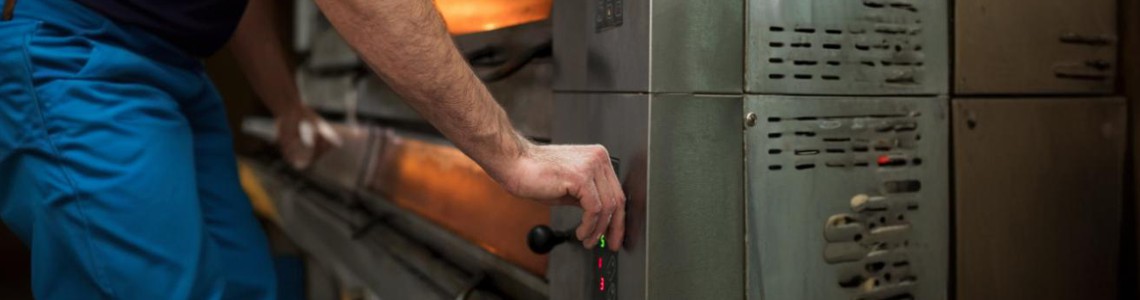
Nei forni professionali, aprendo la valvola del tiraggio, la cottura prosegue in un ambiente secco, in quanto la sua apertura fa fuoriuscire il vapore presente all'interno del forno, e quindi fa diminuire l’umidità presente, favorendo una cottura finale efficiente e uniforme.
A livello casalingo o in alcune cucine professionali di alberghi e ristoranti, tale valvola non è presente ed allora in caso di necessità si può praticare un valido stratagemma empirico e manuale. Quale?
Negli ultimi 5-10 minuti di cottura, per "aprire il tiraggio", si apre velocemente lo sportello del forno, giusto qualche secondo, in modo da far uscire il vapore interno ma non il calore. Richiudendolo subito si può ultimare la cottura, e il prodotto risulterà ben cotto e croccante al punto giusto!
Come dicevamo, i forni professionali dei panifici e delle pasticcerie sono tutti dotati della valvola di tiraggio del vapore e quindi l’utilizzatore esperto, fornaio o pasticcere che sia, può usarla a piacimento all’occorrenza, poiché consente la circolazione dell’aria e del vapore nella camera di cottura, e quindi con la sua apertura e chiusura può controllare la quantità di umidità e calore all'interno del forno durante la cottura stessa.