
La segale
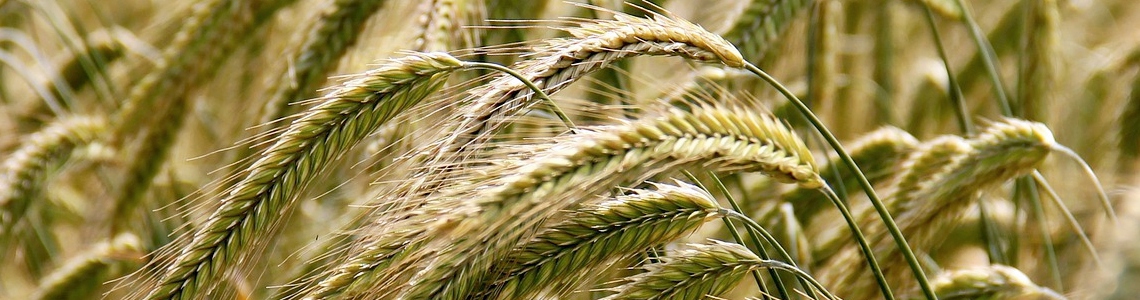
La segale è un cereale di montagna, attualmente oggetto di una diffusa rivalutazione grazie alla riscoperta delle eccellenti proprietà nutrizionali.
Sembra che la sua origine risalga ancora a 2000 anni fa in Asia Minore e che nell'Antica Roma venisse considerato un cereale adatto a produrre il “pane della plebe”, per le classi più povere. Oggi è estesamente coltivata soprattutto nei Paesi di cultura germanica con il loro tipico “pane nero” leggermente acidulo, ma anche in Russia e Francia. In Italia si trova coltivata specialmente in Sud-Tirolo, nella Valtellina ed in Val Camonica.
La segale (Secale cereale L.), detta anche segala, è una pianta erbacea appartenente alla famiglia della “Poaceae”, comunemente conosciute come “Graminacee”, presente da secoli nell'alimentazione umana per la sua ottima digeribilità ed il gusto abbastanza neutro.
E’ l’unico cereale che viene consumato perlopiù sotto forma di pane; solo una minima parte viene impiegata come foraggio degli animali e materia prima di superalcolici.
La segale è una pianta molto rustica, che si adatta bene ad altitudini elevate e resiste ai climi freddi ed alle malattie, cresce in terreni difficili, siccitosi e poveri, inoltre è poco esigente quanto a concimazioni e pesticidi.
La segale si trova in 2 varietà:
- segale invernale o “grande segale”, una varietà a ciclo lungo, la più coltivata in Europa Centrale, caratterizzata da un chicco grosso e tondeggiante che viene seminata nel periodo estivo e raccolta a settembre dell’anno successivo;
- segale estiva o “dormiente”, varietà a ciclo autunnale poiché è seminata a settembre/ottobre, prima delle gelate, e poi raccolta in primavera.
Le due varietà comunque non differiscono molto nelle loro caratteristiche organolettiche e nutritive, che sono:
- sono ricche di fibre solubili ed insolubili;
- sono molto energetiche (336 Kcal per 100 g di prodotto) e ricostituenti, ma nel contempo non arreca noun senso di sazietà;
- hanno un’alta concentrazione di sali minerali e oligo-elementi, come calcio, fosforo, magnesio, potassio e perfino fluoro;
- contengono diverse vitamine, soprattutto la E ed alcune del gruppo B (specialmente niacina).
Elenchiamo le proprietà terapeutiche, che vengono riconosciute alla segale:
- per l’alto contenuto di fibre aumenta l’attività della microflora batterica e della peristalsi intestinale, con una azione protettiva del colon e dell’apparato digerente;
- svolge un’azione anti-arteriosclerotica e protegge dalle malattie cardiovascolari;
- per una presenza importante di lisina, un amminoacido essenziale, viene garantita l’elasticità alla pareti dei vasi arteriosi;
- ha un basso indice glicemico ed esercita un controllo sull'assorbimento degli zuccheri dall'organismo;
- ha proprietà depurative e disintossicanti, alleata di fegato e reni (a patto che non si abbiano problemi renali);
- è considerato anche un ottimo cereale “antistress”.
La segale ha infine le seguenti controindicazioni:
- contiene glutine, anche se in minore percentuale del frumento, e quindi non può essere assunta dai celiaci;
- non è indicata per chi soffre di gotta per l’alto contenuto di purine, metabolizzate dall'organismo in acido urico;
- con il controllo odierno dei semi all'origine e delle produzioni è praticamente azzerato il rischio di contaminazione da “segale cornuta”, un fungo parassita che potrebbe causare il Fuoco di Sant’Antonio (“Egotismo”), oppure l’Herpes Zoster, come purtroppo avveniva nei secoli scorsi.