
Il glutine (e la celiachia)
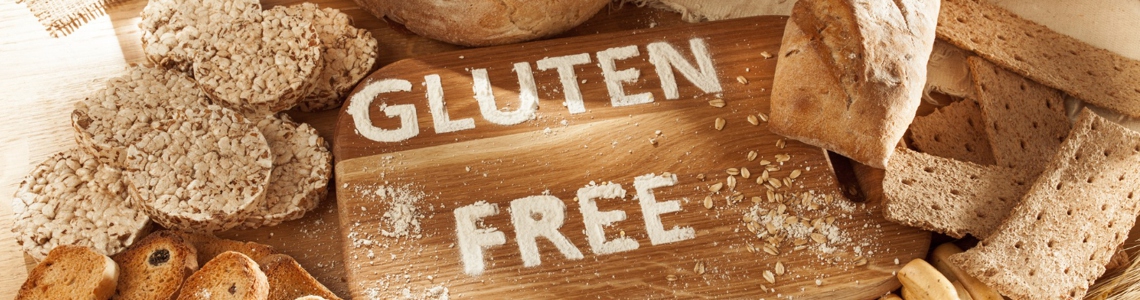
Il glutine è la parte proteica presente nei cereali, principalmente nella farina grano tenero e nella semola di grano duro, ma è presente anche in farine come il farro, l'orzo, la segale ad esempio. Nel grano tenero, il cereale più utilizzato in panificazione, le proteine nella farina sono presenti in una percentuale variabile dal 8 al 18%. Questa variabilità dipende dalla varietà di semente coltivato, dalla zona di coltivazione e dalle tecniche di coltivazione impiegate.
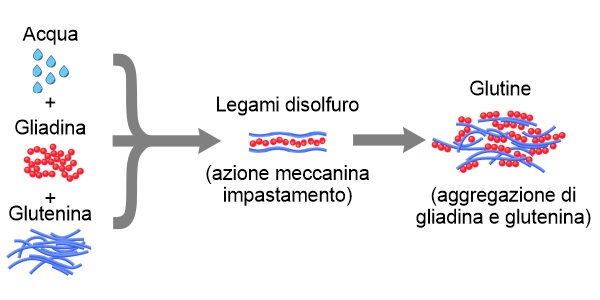
Di tutte le proteine presenti due in particolare rivestono una importanza fondamentale nel processo di lievitazione e quindi nel risultato finale del pane o del lievitato preparato, e sono:
-
la gliadina, una proteina insolubile costituita da una molecola piccola di forma globulare. Le gliadina forma una massa pastosa che dona al glutine proprietà plastiche.
-
la glutenina, una proteina insolubile costituita da grosse molecole costituite da più catene tenute insieme da legami tra due atomi di zolfo (ponti disolfuro) che si sviluppano tra molecole di proteine durante l'impastatura. La glutenina è responsabile della consistenza dell'impasto nella cottura poiché ne aumenta la stabilità.
È con la miscelazione e l’impastamento che avviene la formazione del glutine, e con esso si forma la cosiddetta maglia glutinica, fondamentale per dare la giusta consistenza e funzionalità al pane, alla pizza, alla pasta, ai dolci di vario genere che con la farina sono fatti. L'idratazione delle due proteine citate (glutenina e gliadina) e la loro miscelazione comportano infatti la formazione di legami tra loro che danno origine ad una sostanza elastica e gommosa che fornisce forza e struttura all’impasto. I legami che si formano tra la glutenina e la gliadina sono chiamati legami disolfuro (vedasi l'immagine ad inizio pagina).
[QUAL'È LA FUNZIONE DEL GLUTINE NEL DOLCE O NEL PANE?]
La principale funzione del glutine è quella di formare la cosiddetta maglia glutinica, di cui abbiamo già accennato. Si tratta di una sorta di film elastico che si forma all’interno dell'impasto che aiuta a intrappolare i gas generati durante la lievitazione. In cottura poi, le proteine del glutine si coagulano ovvero si solidificano e formano esternamente una struttura semi-rigida che fornisce consistenza al prodotto mentre internamente rimane morbida. Per saperne di più sulla maglia glutinica clicca qui.
La quantità di gliadina e glutenina presente nella farina e il loro rapporto influenzano le seguenti caratteristiche nel prodotto finito:
- Struttura
- Volume
- Aspetto
Abbiamo detto che la quantità di glutine presente nella farina dipende da diversi fattori. Nelle applicazioni di pasticceria e panificazione bisogna conoscere tale quantità poiché da essa dipende la corretta lavorazione e riuscita del prodotto che si vuole ottenere.
Un basso tenore di glutine è indicato per preparare biscotti di frolla e crostate.
Un tenore medio/basso di glutine è indicato per pane comune o lavorato o ad esempio per preparare dolci come il pan di spagna.
Un tenore medio/alto di glutine è indicato per dolci di pasta sfoglia o pani speciali
Una alta percentuale di glutine è indicata per preparare pani soffiati come le rosette o dolci come il panettone o la colomba.
In Italia, la quantità di glutine presente nelle farine di grano tenero non è particolarmente elevata per cui spesso si ricorre a macinare insieme grani teneri locali con varietà di grani importati spesso dal Canada o dall'Australia ad esempio, dove coltivano grani che hanno naturalmente un elevato contenuto di glutine. Una farina prodotta con questi grani è conosciuta come farina Manitoba (vedi l'articolo su “Il pane in casa”).
[COME SI MISURA IL GLUTINE?]
Nella pratica molitoria la percentuale di glutine è indirettamente indicata con la lettera "W" (si legge doppio v). Più alta è la “W” di una farina più alta è la percentuale di glutine che contiene.
L'alveografo è lo strumento che misura il tenore di “W” e si aggira intorno a 230-260 W per una farina normale.
Da notare che il glutine, essendo un insieme di 2 proteine dalle caratteristiche molto diverse (una più rigida l’altra più elastica), può produrre un impasto più o meno tenace a seconda della loro proporzione con cui sono presente nella farina.
Questo parametro è rappresentato da un valore noto come rapporto “P/L” (si legge p su l). La misura di tale valore viene fatta sempre utilizzando lo strumento dell'alveografo.
Tale rapporto indica l'elasticità dell'impasto, che in condizioni normali non deve essere troppo tenace altrimenti il lievitato svilupperà poco ma neanche troppo elastico altrimenti il lievitato tenderà ad afflosciarsi e perdere la sua forma. In genere deve aggirasi intorno allo 0,5. Sotto lo 0,5 l’impasto tenderà ad essere troppo elastico, ed il prodotto con la cottura rischierà di afflosciarsi, sopra lo 0,5 l’impasto tenderà ad essere troppo rigido e non lieviterà poco e sarà molto crostoso.
[LA CELIACHIA]
Purtroppo sempre più persone soffrono di celiachia, un disturbo causato della presenza di glutine nei cibi. È causata da una reazione autoimmune al glutine.
La celiachia è un'infiammazione cronica dell'intestino tenue, caratterizzata dalla distruzione della mucosa di questo tratto intestinale. Praticamente il sistema immunitario viene attivavo dall’esposizione al glutine ed attacca la mucosa dell’intestino tenue, arrivando a distruggere i delicati villi che sono le strutture responsabili dell’assorbimento di nutrienti e minerali.
Gli effetti di tutto questo sono diarrea cronica, dolori addominali, gonfiore addominale, vomito. Nei bambini piccoli può comportare una perdita di peso o mancato aumento di peso. Chiariamo subito, come invece talvolta si sente dire, che la celiachia non è causa di morte poiché non è un’allergia e come tale non può causare reazioni violente ed immediate di shock anafilattico.
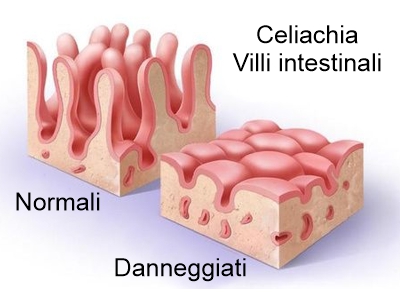
Purtroppo non sono ancora noti i fattori che scatenano la malattia. La tesi più ricorrente è che sia dovuta ad una predisposizione genetica dell’individuo che si manifesta spesso, ma non sempre, in età adulta. C’è pure il sospetto che anche l’assunzione di cereali o farine GMO (geneticamente modificati) possano essere la fonte di tale malattia. La celiachia colpisce circa l’1% della popolazione ed è più frequente tra le donne che tra gli uomini.
Non esiste attualmente una terapia contro la celiachia, rimuovere il glutine dalla dieta è l'unico modo per prevenirla evitando quindi tutte le possibili fonti di glutine, talvolta anche nascoste in alimenti insospettabili come salse insaccati e zuppe confezionate ad esempio. L’unica soluzione possibile è leggere attentamente le etichette dei prodotti acquistati o acquistare i cibi da negozi specializzati. In questo modo, si evitano i sintomi della celiachia, e se già presenti, questi spariscono in breve tempo con la remissione dell’atrofia dei villi della mucosa duodenale.