
Il grano farro
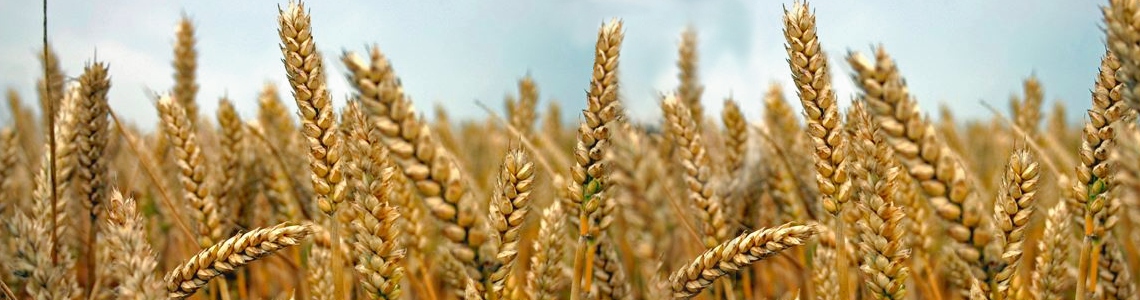
Il farro è stato ribattezzato, nel 2018, dalla normativa europea come "grano farro"! Questo, in tema di allergie, per rimarcare la specie "Triticum" del cereale ed in quanto tale contenente glutine, anche se in percentuale minore del grano tenero (frumento).
Questa premessa è importante poiché ancora adesso molti ritengono che il farro sia un cereale privo di glutine. È comunque un cereale ricco di proprietà che è stato riscoperto da molti, vediamo perché.
Il farro (Triticum dicoccum) è una pianta erbacea appartenente alla famiglia delle “Graminacee”, la cui coltivazione è molto antica e sembra risalire all’età preistorica. Secondo la mitologia greca il farro era un dono della dea Demetra, dea dei campi e delle messi. L'importanza del farro nell'antichità è testimoniata anche dal fatto che questo cereale non era solo centrale nell'alimentazione, ma pure nei rituali. Ad esempio, il matrimonio romano arcaico, tradizione religiosa che si fa risalire a Romolo, prevedeva che gli sposi si spartissero una focaccia di farro (da qui il nome della pratica chiamata "conferreatio").
Non a caso, il suo utilizzo in epoca romana, quando il farro era estremamente diffuso, è testimoniato dall’etimologia del termine “farina” che deriva proprio da “farro”.
Nel corso degli anni il farro era stato dimenticato, poiché soppiantato dalle coltivazioni di grano tenero e dal grano duro a motivo delle loro maggiori rese di produzione, ma recentemente è stato riscoperto grazie alle sue eccezionali virtù ed alla sua alta digeribilità.
Il farro è una pianta che si adatta ai terreni poveri, cresce anche in condizioni difficili, è in grado di resistere alle basse temperature. La durezza del suo chicco lo rende resistente anche ai parassiti e per questo cresce senza bisogno di impiegare fertilizzanti o diserbanti. Si potrebbe perciò definire un cereale "biologico" per natura!
Esistono tre tipi di grano farro che si differenziano per la grandezza del frutto (chicco):
- il farro monococco (o farro piccolo) esistente già nel periodo Neolitico;
- il farro dicocco (o farro medio), che è il più coltivato in Italia;
- il farro spelta (o farro grande), più adatto ai terreni del Nord Europa.
In tutti i casi si tratta di un cereale molto versatile: in chicchi è protagonista di zuppe e insalate di cereali, mentre la sua farina viene impiegata nella preparazione di pane, pasta e biscotti.
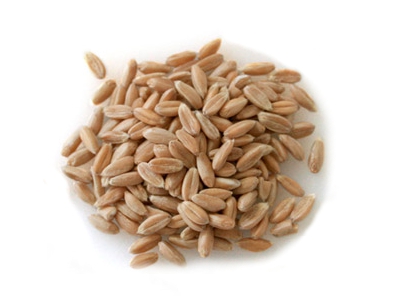
Le sue principali caratteristiche:
- ha un elevato contenuto proteico, costituito da tutti gli amminoacidi essenziali, nonché sostanze anallergiche rispetto al frumento;
- è povero di grassi, si caratterizza per un apporto calorico basso, quindi è indicato per chi segue un regime alimentare ipocalorico, ottimale per chi vuole stare in dieta;
- è ricco di fibre (soprattutto nel tipo integrale), che depurano l’organismo, e di sali minerali, come vedremo in seguito.
Andando a leggere invece le eccezionali proprietà terapeutiche, che vengono riconosciute al farro, rimaniamo sbalorditi. Lo scriveva anche la monaca benedettina Santa Ildegarda di Bingen, definendo il farro una "medicina universale":
- ha un indice glicemico basso e quindi aiuta a tenere sotto controllo la glicemia, indicato particolarmente per chi soffre di diabete tipo 2 ed ha insulino-resistenza, evitando il verificarsi di picchi glicemici;
- contribuisce al benessere del sistema cardiovascolare proteggendo i globuli rossi del sangue, grazie alla ricchezza di ferro e fosforo, e aumenta l’elasticità dei vasi sanguigni. E’ consigliato inoltre per chi ha problemi di anemia;
- tende ad abbassare i livelli di colesterolo LDL (colesterolo cattivo) per il contenuto di fitoestrogeni e di niacina, meglio conosciuta come vitamina B3 o PP, la cui associazione contribuisce a ridurre anche i fenomeni di aggregazione piastrinica;
- apporta sodio e potassio, minerali importanti per la regolazione dell’equilibrio elettrolitico delle cellule e alleato nella regolazione della pressione sanguigna;
- oltre ai minerali già citati è una fonte anche di magnesio e zinco, e la loro sinergia aiuta a prevenire patologie come l’osteoporosi; sempre il magnesio mantiene in salute i muscoli ed il sistema nervoso;
- contiene riboflavina (vitamina B2 idrosolubile), una sostanza che aiuta a ridurre il mal di testa e gli attacchi di emicrania cronica;
- contiene fibre insolubili che sono in grado di abbassare la secrezione di acidi biliari, principali responsabili della formazione di calcoli;
- per lo straordinario contenuto di fibre solubili, insolubili e polisaccaridi favorisce anche la digestione, regola il transito intestinale, combatte la stipsi, sfiamma le mucose intestinali irritate;
- come i legumi ha un effetto “prebiotico”, che stimola nell’intestino la proliferazione dei batteri buoni, in grado di rinforzare e migliorare la qualità del “microbiota”, favorendo l'equilibrio della flora intestinale;
- è ricco di estrogeni e consente di contrastare il calo naturale degli ormoni sessuali femminili in menopausa, alleviandone i disturbi;
- contiene acido fitico e lignani (fitonutrienti) in abbondanza dal potere antiossidante, che contrastano i radicali liberi ritenuti responsabili dell’invecchiamento precoce e di alcuni tumori (nel caso specifico al seno e alla prostata);
- contiene infine triptofano, amminoacido che favorisce la sintesi di neurotrasmettitori connessi a buonumore e rilassamento.
Preparato per Pane al Farro
Il farro ha pure un paio di controindicazioni di cui fare attenzione:
- contiene glutine, anche se in percentuale minore del frumento, e quindi non è adatto a chi soffre di celiachia o intolleranza al glutine;
- ha note proprietà lassative e quindi va evitato da chi soffre di colite o di malattie infiammatorie dell’intestino.
Scrivi un Commento