
Il mito del Kamut
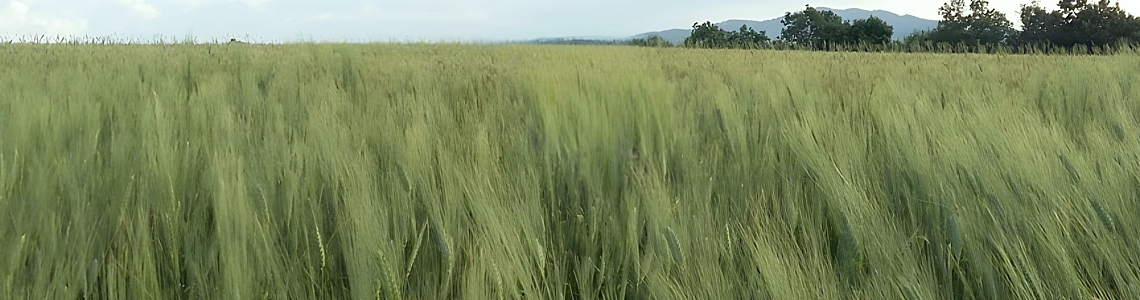
Il Kamut è un ingrediente di gran moda: molte sono le proposte di grissini, di pani, di pizza al Kamut. Vediamo di capire di cosa si tratta.
Il Kamut è il nome commerciale di un cereale antico simile all'odierno grano duro, ma molto più proteico. Il nome Kamut è un marchio registrato dalla società americana Kamut International (fondata nel Montana dalla famiglia Quinn).
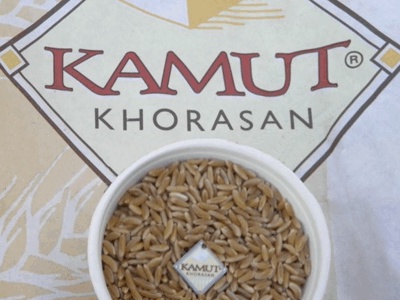
Per ragioni di marketing si inventò, e purtroppo ci si credette (almeno inizialmente), che alcuni semi di questo cereale furono ritrovati il secolo scorso in Egitto, nelle vicinanze di Dashare, all'interno di un antico sarcofago. Tali semi furono poi inviati nel Montana (U.S.A.) dove, dopo migliaia di anni, furono “risvegliati” e moltiplicati con “tecniche” particolari. Come particolari erano le sue proprietà nutrizionali.
Inizialmente tale grano venne venduto con curiosi nomi come grano del "faraone Tut" e di "Ka'moet", che nella antica lingua egizia significherebbe "anima della terra".
I MOTIVI DEL SUCCESSO
Da allora il Kamut ha conosciuto un sempre più grande successo, sotto la pressione di un marketing decisamente efficace che ha fatto leva su tre aspetti:
- il suggestivo ritrovamento: ne abbiamo già accennato ma è importante aggiungere che la germinabilità di un grano decade dopo pochi decenni, per quanto perfette siano state le sue condizioni di conservazione. E questo vale anche per il nostro cereale, tant'è che la storia del ritrovamento si è rivelata presto solo una fantasiosa invenzione commerciale, e la stessa Kamut International ha poi preso le distanze da tale notizia, o meglio leggenda che, visto il successo commerciale, non ha avuto più bisogno di essere incoraggiata.
- l’attribuzione di eccezionali qualità nutrizionali: questo grano ha un elevato contenuto proteico, in generale superiore alla media dei grani duri e teneri, e buoni valori di beta-carotene e selenio; per altre componenti qualitative e nutrizionali non ci sono differenze sostanziali rispetto agli altri grani.
- la presunta compatibilità per gli intolleranti al glutine: purtroppo come ogni altro tipo grano (delle specie Triticum), anche questo è inadatto per l’alimentazione di chi soffre di celiachia perché contiene glutine (alcune pubblicità facevano inizialmente supporre che fosse povero di glutine), anzi ne contiene in misura superiore a certi grani teneri ed a numerose varietà di grano duro.
IL KHORASAN
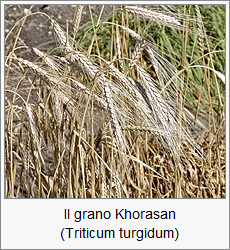 Che cos'è allora il Kamut? Abbiamo già detto che è un marchio registrato dalla multinazionale americana Kamut International, aggiungiamo che tale marchio indica una varietà di grano denominato “Khorasan”, nome che trae la sua origine dalla regione iraniana del Khorasan dove venne descritto per la prima volta, nel 1921, e dove ancora adesso si coltiva oltreché nello stato del Montana negli Stati Uniti.
Il dipartimento americano degli Stati Uniti ha ufficialmente riconosciuto tale “cultivar” con il termine generico Khorasan con direttiva 9180.60 del 30 dicembre 2003.
Il Khorasan, come qualsiasi cereale, può quindi essere coltivato liberamente da chiunque e dovunque, ma non può essere chiamato Kamut, nome utilizzabile solo dall'azienda americana che attraverso il marchio Kamut lo garantisce puro e biologico.
Dal punto di vista botanico il Khorasan appartiene allo stesso gruppo genetico del grano duro (Triticum turgidum subsp. Turanicum). La pianta presenta un culmo (fusto) molto alto, fino a 180 cm; ha la cariosside (chicco) nuda e molto lunga, all'incirca tre volte più grande di quella del grano duro.
Anche in Italia troviamo aree dove si coltiva il grano Khorasan: tra Lucania, Sannio e Abruzzo. È per lo più noto con il nome di "Saragolla", da non confondere (anche qui!) con una omonima varietà migliorata di grano duro ottenuta da incroci di grani diversi il cui nome è stato registrato nel 2004 dalla Società Produttori Sementi di Bologna!
Da aggiungere poi che in Italia si è recentemente riscoperto un altro grano duro, molto simile al Khorasan, per caratteristiche e sapore: parliamo del grano duro "Senatore Cappelli", nome curioso ma in in onore dell’omonimo senatore che finanziò la selezione di grani duri italiani agli inizi del XX° secolo.
L'ETICHETTATURA
Per finire, controllate le etichette dei prodotti contenenti il nostro “antico grano”: deve essere scritto “farina di grano Khorasan Kamut” e non semplicemente “farina di Kamut”: ripetiamo che il Kamut non è un cereale ma un nome di fantasia che indica un varietà di grano Khorasan.
Se comprate lo stesso prodotto con scritto “farina di grano Khorasan” va comunque bene, semmai il nome Kamut garantisce che quel Khorasan è biologico (esistono comunque altri produttori di Khorasan biologico oltre alla società Kamut International).
PER FINIRE...
Nella nostra gamma sono presenti 2 preparati che contenevano grano Khorasan ma che abbiamo sostituito di recente con il grano duro "Senatore Cappelli". Come detto questo grano è una validissima alternativa al Khorasan ed è senz'altro di produzione tutta italiana! Inoltre, per chi volesse, vendiamo anche un preparato contenente la semola di grano duro "Senatore Cappelli"! Clicca su bottone per vedere il prodotto.