
Tanti semi interessanti per la nostra dieta
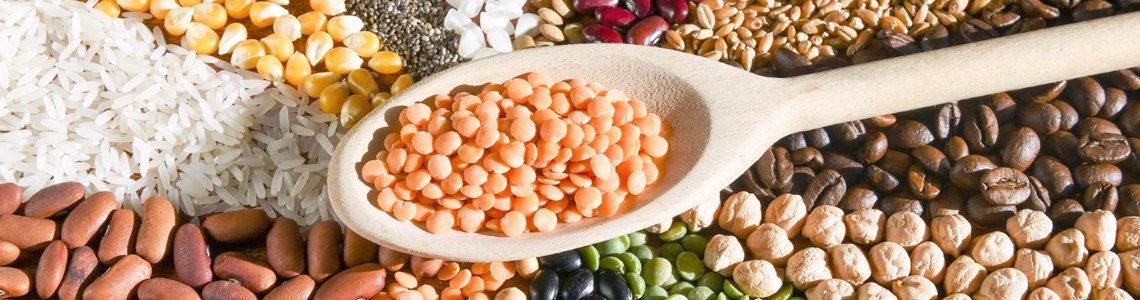
I semi oleosi sono elementi calorici, eppure vengono sempre più spesso introdotti nelle diete e consigliati dai naturopati e dai nutrizionisti, per integrare le carenze dovute all’alimentazione moderna, spesso frettolosa e squilibrata.
Sono considerati un concentrato di energia vitale, una risorsa di lipidi insaturi e vitamine, una miniera di fibre e oligoelementi, ed agiscono come integratori alimentari naturali – con un doppio scopo, curativo ed alimentare – per migliorare la nostra salute e riattivare il metabolismo, senza specifiche controindicazioni salvo problemi di allergenicità individuale.
Ovviamente le proprietà salutistiche sono efficaci solamente se il loro consumo viene accompagnato da una alimentazione varia ed equilibrata, supportata da sane e corrette abitudini di vita.
Nella nostra gamma D&P disponiamo di variegate farine speciali per panificazione, composte da semi misti, una specie di supermix vegetali, che riuniscono in uno stesso preparato le molteplici proprietà nutrizionali dei singoli semi oleosi selezionati nelle varie composizioni.
Un consumo giornaliero di semi, secondo alcuni studi scientifici, garantisce il fabbisogno quotidiano per mantenersi in forma e godere di una aspettativa di vita migliore.
Fra essi, per importanza, evidenziamo i semi di lino e i semi di chia, dal gusto neutro, forzieri colmi di nutrienti e preziosi “superfoods” nutraceutici di qualità.
Meritano però una attenzione particolare anche i semi di girasole, di sesamo e di zucca, che – rispetto ai due precedenti – si caratterizzano per gusti e sapori intensi e gradevoli.
Basta quindi scegliere il preparato giusto, quello che fa per voi!
SEMI DI LINO
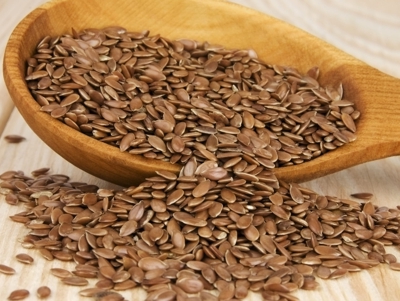 Ne esistono di due tipi, quello marrone scuro ed il biondo dorato, quest’ultimo leggermente più oleaginoso, ma la differenza cromatica non incide sui valori intrinseci. I semi di lino, derivati dalla pianta di ”Linum usitatissimum”, erano conosciuti fin dall’antico Egitto;
Sono ricchi di acido alfa-linoleico, della serie “Omega-3”, con proprietà antinfiammatorie e antiossidanti, fondamentali per il benessere vitale del nostro organismo.
Il corpo umano non è infatti in grado di produrre autonomamente Omega-3 a sufficienza per il nostro fabbisogno, per cui è essenziale introdurlo con una dieta appropriata.
Sono anche una ottima fonte vegetale di fibre solubili ed insolubili, potassio, magnesio, fosforo, calcio, rame e zinco, con funzioni di stimolo del sistema immunitario.
Assumendo alimenti che contengono semi di lino dagli effetti benefici, la loro preziosa assunzione può contribuire:
- al buon funzionamento della circolazione sanguigna e del sistema cardio-vascolare, riducendo il rischio d’infarto;
- al benessere del sistema nervoso, riducendo il rischio di ictus;
- ad una efficace regolarità dell’apparato digerente e dell’intestino, mantenendo il colon in salute.
Il contenuto infine di lignani (polifenoli), sostanze antibatteriche presenti nei semi di lino, si ritiene possano concorrere anche ad una azione anticancerogena, tuttora in fase di studio.
Vuoi preparare un pane che contiene semi di lino e semi di chia?
Prova il nostro Preparato per Pane con Curcuma e Semi
SEMI DI CHIA
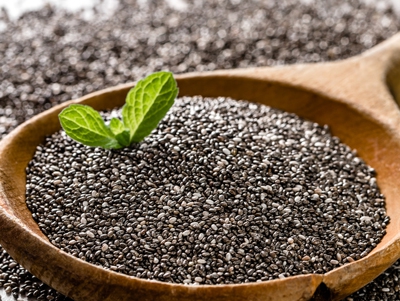 Di piccole dimensioni e dalla colorazione tendente al grigio scuro, provengono da una specie vegetale denominata “Salvia hispanica”, sono originari dell’America centro-meridionale e il loro consumo sembra risalire ai tempi degli Atzechi e dei Maya.
Si tratta proprio di un seme amico, dai mille pregi. Vediamone il perché.
Sono apprezzati soprattutto per la grande abbondanza di acidi grassi polinsaturi essenziali “Omega-3” e “Omega-6”, la cui quantità percentuale supera addirittura i semi di lino, considerati uno scrigno di Omega-3.
Sono ricchi di proteine, sali minerali e vitamine (A, gruppo B e C), ma anche di fibre, in special modo quelle insolubili. Sono anche fonte di calcio, che contengono in quantità fino a 3 volte superiore rispetto al latte, e quindi consigliati ai soggetti a rischio di osteoporosi.
Elenchiamo le numerose ed eccezionali proprietà salutistiche:
- contrastano le infiammazioni;
- riducono i livelli di colesterolo, impedendo di ossidarsi nelle arterie;
- aiutano a regolare i livelli degli zuccheri nel sangue;
- migliorano il transito intestinale;
- rinforzano il sistema nervoso (grazie alle vitamine del gruppo B);
- favoriscono la capacità di concentrazione.
Fra l’altro sono ricchissimi di antiossidanti (fino a 3 volte quelli dei prodigiosi mirtilli), la cui azione rallenta l’invecchiamento cellulare ed hanno il potere di combattere la produzione di radicali liberi, causa di molte patologie anche gravi.
Oltre al preparato per pane con curcuma e semi già indicato, vuoi preparare un altro pane che contiene i semi di chia?
Prova il nostro Preparato per Pane Rosso con riso rosso e rapa rossa
SEMI DI GIRASOLE
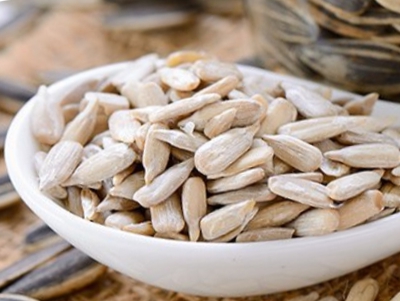 Tutti conosciamo bene la pianta del girasole, maestosa e colorata, coltivata molto nel centro Italia. Il suo nome è “Heliantus annuus” ed è appartenente alla famiglia delle Asteraceae.
I suoi semi sono antibatterici e antinfettivi, per il contenuto di acido clorogenico, e svolgono una ottima azione antinfiammatoria delle articolazioni.
Possiedono anche una potente azione antiossidante della pelle e dei vasi sanguigni.
Sono i semi oleosi con minore quantità di calorie, ricchi di acido folico, oleico e linoleico, con una alta percentuale di selenio e di vitamine E, D e B12.
Agiscono pure come antitumorali per il contenuto importante di Omega-6.
Vuoi preparare un pane che contiene semi di girasole e semi di sesamo?
Prova il nostro Preparato per Pane Rustico
SEMI DI SESAMO
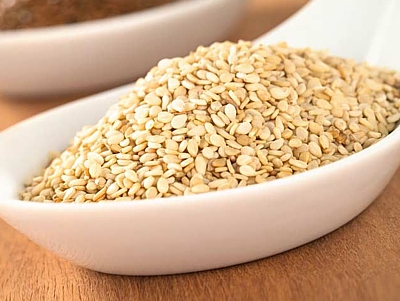 Il “Sesamum indicum L.” appartiene alla famiglia della Pedaliaceae ed è una pianta erbacea, originaria delle Indie, che produce semi abbastanza piccoli.
Alcalinizzanti, energetici e ricostituenti per l’alto potere calorico, sono noti per la capacità di rinforzare la memoria.
E’ notoriamente una fonte principale di calcio, ma contiene pure una buona percentuale di micronutrienti, come zinco, selenio, fosforo, magnesio, vitamina A e B6.
Ottimi riattivanti della circolazione, favoriscono anche la diuresi.
Svolgono una azione di protezione del sistema immunitario e di stimolazione del sistema nervoso.
Purtroppo, per molti, sono anche una fonte allergizzante. Sono da evitare per chi soffre appunto di allergia da semi di sesamo.
Vuoi preparare un pane che, oltre ai semi di lino, contiene anche i semi di sesamo?
Prova il nostro Preparato per Pane ai Multicereali
SEMI DI ZUCCA
 La zucca si raccoglie da settembre e fino ai primi mesi invernali. È una pianta della famiglia delle “Cucurbitaceae”. I suoi fiori sono squisiti se fritti, la polpa del suo frutto è alla base di molti risotti.
I suoi semi hanno proprietà rilassanti e vermifughi, per il contenuto di “cucurbitina” che combatte i parassiti delle pareti intestinali. Contrastano l’ipertrofia prostatica, nonché i disturbi dell’apparato urinario, come la cistite.
La presenza inoltre del “triptofano”, un amminoacido essenziale, aiuta a combattere l’insonnia, come pure i “fitosteroli” contenuti contribuiscono ad abbassare il colesterolo nel sangue.
Contengono fibre, Omega-3 e zinco, ma soprattutto una alta percentuale di ferro.
Sono consigliati anche nella cura dell’artrite.
Vuoi preparare un pane che contiene semi di zucca?
Prova il nostro Preparato per Pane Verde all'Alga Spirulina oppure il Preparato per Pane ai Semi e Farina di Zucca