
La farina
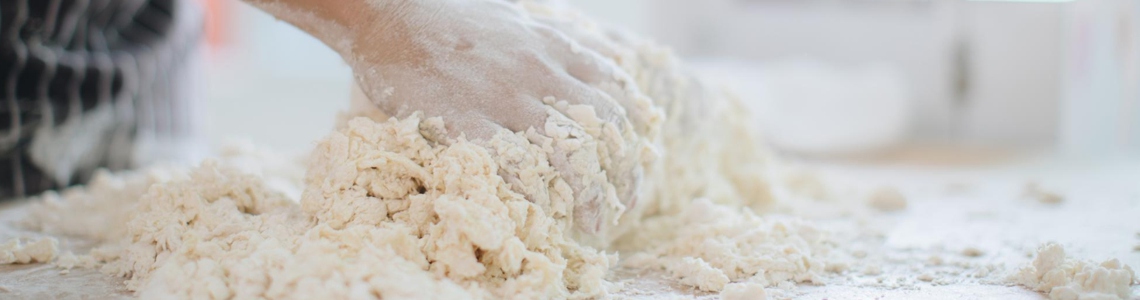
L'ingrediente più importante di un preparato per pane o di un preparato per dolci è la farina.
Esistono diversi tipi di farina, quelle più conosciute, perlomeno per sentito dire, sono le classiche farine di grano tenero tipo “0” (zero) e tipo “00” (doppio zero), eventualmente la farina manitoba (che è sempre un tipo di grano tenero) ed infine la semola rimacinata di grano duro.
Grano duro (Triticum durum) e grano tenero (Triticum vulgare) sono 2 varietà di frumento ma molto diverse tra loro. Strutturalmente sono simili ma hanno un diverso numero cromosomico (28 per il grano duro, 42 per il grano tenero). Si tratta quindi in realtà di 2 due specie ben distinte. Il grano duro viene coltivato in zone argillose e dove c’è poca umidità, quello tenero viene coltivato in terreni fertili, con clima mite e ricco di precipitazioni.
IL GRANO DURO E LA SEMOLA
Il grano duro è un cereale dalle spighe più allungate rispetto al grano tenero, ha un colore giallognolo, poiché ricco di carotenoidi, un po’ traslucido, e quando viene macinato ha un aspetto granuloso, simile ad una sabbia sottile per intenderci. Lo sfarinato ottenuto dalla sua macinazione è conosciuto con il nome di semola. L’espressione “farina di grano duro” è quindi inesatta. Poiché dalla macinazione del grano duro si ottiene una granulosità abbastanza grossolana, la semola è sottoposta ad un ulteriore passaggio di molitura: è ridotta a una granulosità più sottile e per questo viene chiamata “semola rimacinata”. Pur essendo utilizzata anche per la produzione di pane (con tipici accorgimenti, poiché altrimenti si ottiene un prodotto abbastanza pesante) il suo tipico utilizzo è per la produzione della pasta.
IL GRANO TENERO E LA FARINA
Dalla macinazione del grano tenero si ottiene invece la farina propriamente detta, talvolta si utilizza anche il termine di farina bianca. Lo ripetiamo: per farina si intende il prodotto della macinazione del grano tenero e non del grano duro. La farina è una polvere quasi impalpabile ed ha una grande grande capacità di assorbimento dell’acqua ed unita alla sua capacità di formare la maglia glutinica è molto usata per produrre pane e dolci. Da come poi viene macinata e quante volte viene macinata (si parla di grado di raffinazione) si possono ottenere diversi tipo di farina che ora vedremo.
Generalmente la macinazione viene effettuata in tre passaggi con tre diversi tipi di cilindri: di rottura (i cilindri presentano scanalature non molto vicine tra loro), di svestimento (con scanalature più ravvicinate) e di rimacina (la superficie del cilindro è liscia).
Ciascun passaggio da un tipo di cilindro all’altro è intervallato da una fase di setacciatura al fine di separare la farina dalla crusca (la parte più esterna del chicco di grano) e dal cruschello (crusca minuta mista a farina, che si ottiene nel secondo e terzo passaggio di macinazione).
Detto questo, la farina è stata catalogata nei seguenti tipi:
- farina tipo “00”
- farina tipo “0”
- farina tipo “1”
- farina tipo “2”
- farina "integrale"
Questa catalogazione, definita dalla legge, non riguarda tanto le caratteristiche di panificabilità e di utilizzazione ma riguardano le caratteristiche di purezza. In altre parole la legge nulla dice a proposito della quantità di glutine che essa deve contenere e della sua composizione proteica.
In rete si legge spesso che la farina di tipo "00" è più ricca di glutine e per questo la migliore da usare in panificazione. Niente di più errato poiché il tipo "0" o "00" indicano soltanto quante “ceneri” sono contenute nella farina ma non la sua quantità di glutine!
LA FARINA MANITOBA
La farina "manitoba", di cui abbiamo accennato all'inizio, è una farina simile al tipo "00" caratterizzata però da un'alta percentuale di proteine e quindi di glutine (per capirne un po' di più sul glutine clicca qui). Questa alta percentuale di proteine, ovvero di glutine, la rende adatta a lavorazioni particolari come la preparazione del panettone e di simili prodotti da ricorrenza.
Il perché contenga un'alta percentuale di glutine è dovuta al fatto che trattasi una diversa varietà di grano rispetto al grano tenero (Triticum Aestivum) coltivato essenzialmente in Canada e nell’America settentrionale. Questo tipo grano riesce a resistere molto bene alle basse temperature di quei luoghi proprio perché trattasi di un grano molto proteico (la cui percentuale proteica può arrivare fino al 18%).
Attualmente in commercio si trovano farine con le stesse caratteristiche della farina "manitoba" ma che non provengono dal Canada o e dall’America settentrionale e quindi si preferisce chiamarle farine "forti" anziché identificarle con il termine di "manitoba" poiché questo contraddistingue una precisa e definita regione geografica.
Scopri le nostre farine
LA LEGGE ITALIANA E I DIVERSI TIPI DI FARINA
La legge italiana, come accennato, nello stabilire le caratteristiche della farina, si è limitata a garantire che la farina non contenesse corpi estranei o non contenga una quantità eccessiva di crusca e di cruschello che la renderebbe poco panificabile (anche se negli ultimi anni la presenza di queste componenti è stata fortemente rivalutata).
Il legislatore ha pertanto definito la differenza tra farina di tipo “00”, “0”, “1”, “2” e “integrale” solo per delimitare la percentuale massima di crusca e di cruschello (che il legislatore chiama “ceneri”) che esse possono contenere dopo la macinazione. Il loro significato è il seguente:
- La farina tipo “00” rappresenta la farina più raffinata, ricavata dal cuore del chicco. Deve avere un contenuto di ceneri massimo dello 0,55%.
- La farina tipo “0” può contenere una maggiore quantità di ceneri, compresa fra lo 0,55% e lo 0,65% (a ben vedere la differenza è minima rispetto al tipo 0).
- Le farine tipo “1” e “2” hanno un contenuto di ceneri ancora maggiore (rispettivamente il massimo deve essere lo 0,80% e lo 0,95% di ceneri).
- La farina “integrale” non è stata setacciata ma ha semplicemente subito un primo processo di macinazione e pertanto contiene tutte le parti del chicco, crusca compresa.
Ultimamente si sono affermate altri 2 tipi di “farina”: “Kamut” e “Senatore Cappelli”. Chiariamo subito che non di farine si tratta ma di semole. Ambedue sono sfarinati di grano duro. Ne parleremo in un altro articolo (clicca qui) insieme alle diverse tipi di farine elencate.
Per approfondimenti sulla struttura del chicco di grano, sulle sue componenti e sulle proprietà nutritive in rete esistono centinaia di pagine tecniche che trattano dell’argomento ed a cui rimandiamo.
Scrivi un Commento