Il pane "Leucemico" ed il malto
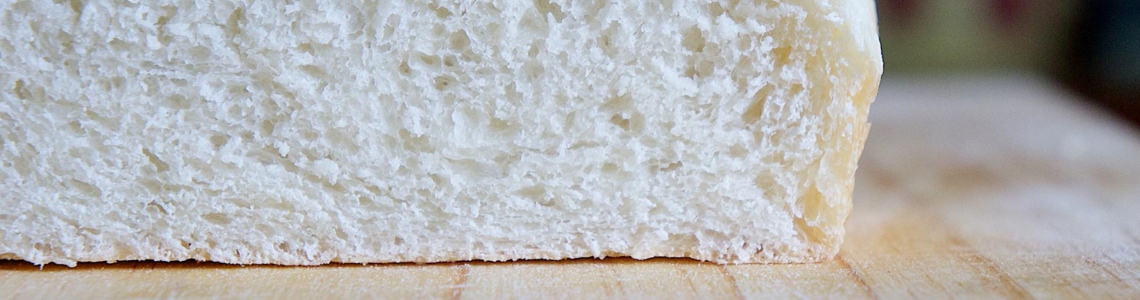
Recentemente una nostra cliente, con una espressione molto "colorita" ci ha parlato del pane “leucemico” ovvero del pane dalla crosta sottile e dal colore biancastro, poco invitante da mangiare e da presentare a tavola, e della necessità di aggiungere del malto.
La risposta è esatta. In queste situazioni un po' di malto non guasta, oltre al colore dona al pane un invitante profumo caratteristico di ... pane appena sfornato.
Ma che cos'è il malto? Molti “navigatori” poi chiedono la differenza tra malto e farina di malto? Ed anche che cos'è la farina di cereali maltati o l'estratto di malto?
Precisiamo subito che il malto non è un tipo di cereale, un frutto o una pianta, ma è la cariosside, ovvero il chicco di un cereale, che ha subìto la germinazione. Durante la germinazione il cereale subisce la trasformazione dell'amido contenuto nel chicco in molecole più semplici ovvero in zuccheri semplici (il maltosio e le destrine). Tale trasformazione, nota come saccarificazione, è svolta da due particolari enzimi contenuti nel chicco stesso, chiamati alfa e beta-amilasi, che durante la germinazione aumentano in quantità e attività (abbiamo già parlato degli enzimi nell'articolo sulla maglia glutinica, per approfondimenti clicca qui).
Malto, farina di malto, farina di cereali maltati o estratto di malto indicano nella sostanza tutti la stessa cosa pur se in forma diversa.
“Malto” e “farina di malto” vengono usati come termini sinonimi e si riferiscono comunemente al malto d'orzo. Quando il cereale impiegato è diverso o utilizzato insieme all'orzo si parla invece di “farina di cereali maltati”.
L' ”estratto di malto” invece è la farina di malto o di cereali maltati diluita in acqua calda, opportunamente filtrata e concentrata, così trattata al fine di ottenere un liquido molto denso (una pasta simile ad uno sciroppo di miele) oppure nuovamente ridotta in polvere (attraverso un processo di essiccazione o meglio di “sprayzzazione”).
Nel malto (o farina di malto o farina di cereali maltati) abbiamo un prodotto caratterizzato da una piccola quantità di zuccheri ed un elevato contenuto di enzimi (amilasi), nell'estratto (in pasta o in polvere) invece avviene il contrario: sono maggiori gli zuccheri e minore è la quantità di enzimi.
Sia gli zuccheri sia gli enzimi sono indispensabili per una buona panificazione:
-
gli zuccheri hanno lo scopo di fornire cibo ai lieviti, indispensabili per il suo metabolismo e quindi utili ad ottenere un buona lievitazione, ed inoltre conferiscono al pane gusto, profumo e un colore dorato (reazione di Maillard);
-
gli enzimi, con il loro potere cosiddetto “diastasico”, migliorano la maglia glutinica e conferiscono al pane una migliore alveolatura, maggiore volume, friabilità e digeribilità. Sono necessari specialmente quando si utilizzano farine molto deboli, caratterizzati da un basso potere diastasico.
Si noti che in commercio esistono malti ed estratti di malto privi di potere diastatico (ovvero gli enzimi sono disattivati) che sono utilizzati nella produzione della birra, laddove il malto viene fermentato dai lieviti utilizzati nel processo di birrificazione e trasformato in alcool.
MODALITÀ D'USO
Il malto (o farina di malto o farina di cereali maltati) viene usato in una percentuale dell'1-3% rispetto alla quantità di farina utilizzata nell'impasto, l'estratto invece viene usato in dosi minori altrimenti colora troppo la superficie del pane.
Il malto è utile nei pani che richiedono lunghe ore di lievitazione o nelle farine con bassa attività amilasica.
A titolo informativo facciamo notare che, nella preparazione del pane, al posto del malto o del suo estratto si possono utilizzare degli specifici integratori per pane (clicca qui per un integratore presente nel nostro catalogo) che contengono farina di cereali maltati ed enzimi aggiunti, e sostituiscono il malto in maniera più efficiente, garantendo una maggior volume del pane prodotto ed una migliore lievitazione.
Per l'acquisto di farina di malto, clicca qui.
CENNI SUL PROCESSO PRODUTTIVO DEL MALTO
La produzione di malto non viene effettuata dai mulini ma dai maltifici, aziende specializzate che lo producono con una procedura abbastanza complessa.
Dopo la raccolta dell'orzo o di altro cereale, i chicchi vengono selezionati, tarati per dimensione e ripuliti da eventuali corpi estranei e posti a bagno d'acqua, in appositi tini, dove assorbendo l'acqua si rigonfiano. Durante tale fase i chicchi vengono sottoposti a frequenti ricambi ed immissioni di ossigeno al fine di conferire al prodotto un grado di umidità ottimale. Quando il chicco raggiunge il 45-50% di umidità, si attivano gli enzimi presenti che iniziano a trasformare l’amido in zuccheri semplici. In questo periodo si sviluppano pure delle radichette che fuoriescono dal chicco: è l'inizio della germinazione.
Dopo circa 5 giorni (la lunghezza della radichetta è un fattore importante per capire il progresso della germinazione) segue il processo di essiccazione che se fatto a temperature blande mantiene intatta la carica enzimatica del chicco mentre se compiuta a temperature elevate (dagli 80° C gradi in sù, in tal caso si parla di tostatura) disattiva gli enzimi ed aumenta il colore del malto prodotto (in genere destinato alla produzione di birra).
Ad essiccazione conclusa, un’apposita macchina degerminatrice provvede a rimuovere germe e radichette formatisi.
I chicchi vengono quindi macinati e venduti tal quali come farina di malto (o farina di cereali maltati) oppure trasformati in estratto di malto attraverso una ulteriore lavorazione.
CENNI SUL PROCESSO PRODUTTIVO DELL'ESTRATTO DI MALTO
La farina precedentemente prodotta viene miscelata con acqua. Inizia nuovamente l'attivatà enzimatica che continuerà a trasformare l’amido in zuccheri semplici e destrine.
Da questo processo si produrrà un mosto, composto da zuccheri, parte cruscale (trebbie) ed acqua.
Attraverso una opportuna filtrazione, la parte zuccherina verrà separata dalla parte cruscale ed inviata al concentratore dove viene favorita l’evaporazione dell’acqua, addensando in tal modo il mosto.
Si otterrà così un estratto di malto liquido, molto denso e concentrato da inviare all’impianto spray per la produzione di estratto in polvere oppure confezionato e venduto tal quale.