
Che cosa significa mettere a lievitare il pane coperto con "teli di plastica"?
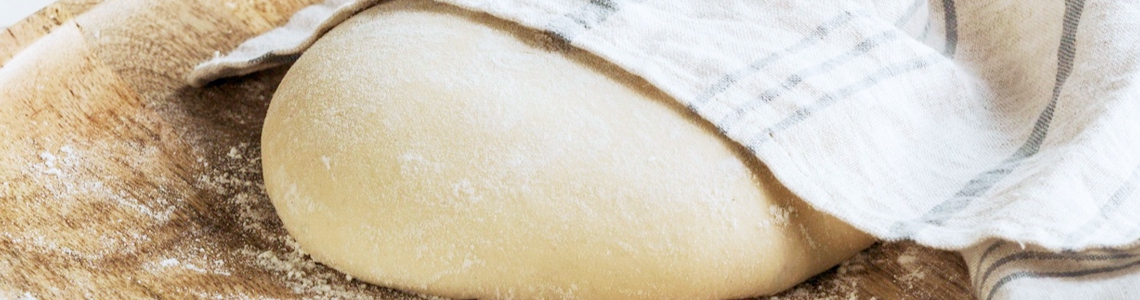
La lievitazione è un processo molto importante. Durante tale processo la superficie del prodotto lievitato (pane, croissant, ecc.) non deve seccarsi, cioè “non fare la pelle”, altrimenti tende a non sviluppare, poiché la crosticina che si forma è di ostacolo allo sviluppo ideale del prodotto.
A livello professionale si usa mettere il prodotto a lievitare dentro una cosiddetta “cella” o “camera” di lievitazione, in cui sono controllati sia la temperatura sia il grado di umidità. In sostituzione, ricoprendo il prodotto con un telo di plastica, l’acqua contenuta nell’impasto tende ad evaporare, anche se in modo non percettibile all’occhio umano, ma il telo di plastica la trattiene umidificando il prodotto in superficie e quindi mantenendola morbida ed elastica. Un'altra funzione simile si ha con l’utilizzo di un canovaccio o un panno di tela leggermente umido, anche se noi preferiamo usare il telo di plastica.
C'è anche chi ha l'abitudine, di far lievitare un impasto dalla pezzatura medio-grande su una classica ciotola in vetro (unta sulla base con un velo d'olio) o su un cestino di vimini (sopra un telo infarinato), ricoprendolo poi con una pellicola trasparente fino al raggiungimento almeno doppio del volume prima d'infornare. Se poi però si adotta la pratica di fare dei piccoli buchi (ma non troppi) sulla pellicola con uno stuzzicadenti, per favorire un minimo passaggio dell'aria.