Le proprietà del grano saraceno
Il grano saraceno (o “grano nero”) è una pianta spontanea di origine asiatica, proveniente da un vasto territorio fra la Siberia, il Tibet e l’Himalaya, e la Manciuria, che arrivò in Europa nel Medioevo, approdando in Italia verso il 1600 nelle aree alpine con il nome di “Frumentum”.
Si racconta che ciò sia avvenuto per mezzo delle popolazioni turche, introducendolo nella penisola balcanica, e da questo deriverebbe il nome dato, ossia “grano dei saraceni”. Potrebbe però essere arrivato dal Mar Nero in Germania, nell’altopiano dell’Eifel, dove è documentato con la denominazione di “grano dei pagani”. La sua coltura nei secoli è andata scomparendo per la scarsa produttività e quindi di poco interesse per l’agricoltura industriale, più incline ad investire su cereali dalle alte rese.
Oggi la sua produzione è molto diffusa in Russia e in Polonia, mentre in ambito nazionale è confinata nelle valli dell’Alto Adige ed in Valtellina, che ci regala il suo piatto tipico più conosciuto, “i pizzoccheri”, ma anche conosciuto come base per la “polenta taragna”.
Il grano saraceno (Polygonum Fagopyrum esculentum), malgrado il suo nome, è catalogato come falso cereale, uno pseudo-cereale appartenente alla famiglia botanica delle “Poligonacee” (Dicotiledoni), di cui fa parte il rabarbaro, che si adatta a terreni poveri e marginali e con tecniche a basso impatto ambientale.
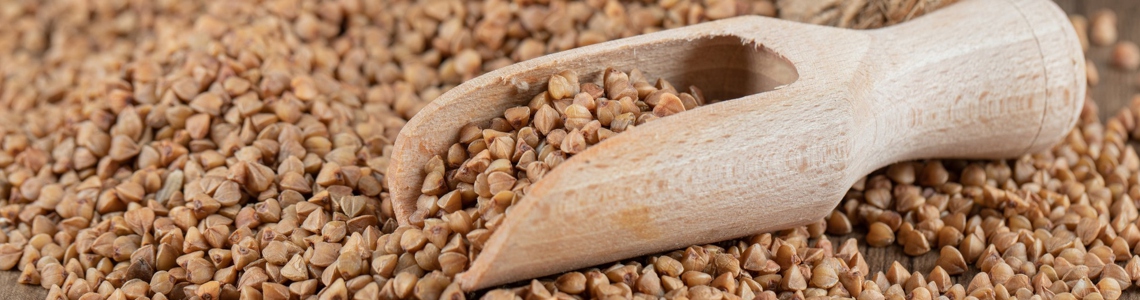
Non ha spighe, ma piccoli fiorellini bianchi o rossi, mentre i chicchi sono piccoli, scuri e di forma tetraedrica. Dalla sua molitura si ottiene una farina “bigia”, per il suo particolare colore grigiastro, che poi caratterizza il pane e la pasta prodotta.
Viene coltivato durante il periodo primaverile-estivo (poiché teme il freddo e gli sbalzi di temperatura) e si presta benissimo ad occupare il terreno dopo la raccolta di segale o frumento come secondo raccolto, cioè come coltura intercalare, avendo un ciclo vitale breve e molto veloce, andando a maturazione in 60–100 giorni dalla semina.
La pianta ha la stessa funzione dell’erba medica: protegge il terreno dall’erosione e aiuta a controllare le piante spontanee e infestanti.
IDEALE PER UNA DIETA POVERA DI GLUTINE
Il grano saraceno è pressoché privo di glutine e presenta un alto profilo nutrizionale, tanto che per la sua molteplice salubrità ha recentemente avuto una riscoperta, con una inversione di tendenza della domanda di mercato.
CARATTERISTICHE
- ricchezza di proteine, superiori agli altri cereali;
- contenuto di tutti gli 8 amminoacidi essenziali (soprattutto “lisina”), in proporzione ottimale;
- buona fonte di fibre insolubili e minerali (soprattutto fosforo, magnesio e potassio);
- presenza di importanti vitamine del gruppo B.
PROPRIETÀ TERAPEUTICHE
Sono numerose le motivazioni salutistiche per consumare grano saraceno:
- la percentuale presente di flavonoidi dalle spiccate proprietà antiossidanti e antinfiammatorie;
- una maggiore quantità di amido a lenta digestione, che determina un indice glicemico medio-basso;
- una buona digeribilità, con proprietà energizzanti naturali;
- favorisce il benessere del sistema cardiovascolare, aiutando a combattere l’LDL, il colesterolo cattivo, e migliorando l’HDL;
- aiuta a prevenire i calcoli biliari, per la sua capacità di accelerare il transito intestinale e ridurre la secrezione di acidi biliari.
CONTROINDICAZIONI
Il grano saraceno ha pure alcune controindicazioni da seguire:
- in soggetti sensibili determina reazioni allergiche;
- deve prestare attenzione chi segue una terapia anticoagulante, per le sue proprietà antiemorragiche.
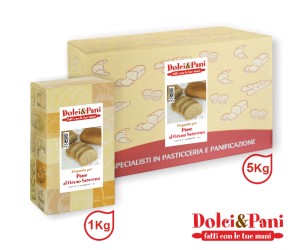
Nella nostra gamma sono disponibili 2 pani contenenti grano saraceno:
- Pane con Grano Senatore Cappelli, Saraceno e Grano Farro (clicca qui per la scheda)
- Preparato per Pane al Grano Saraceno (clicca qui per la scheda)