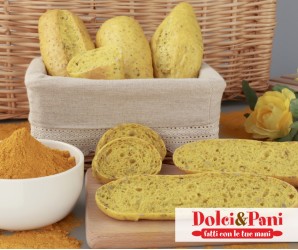
Curcuma alleato prezioso contro le contaminazioni da metalli pesanti
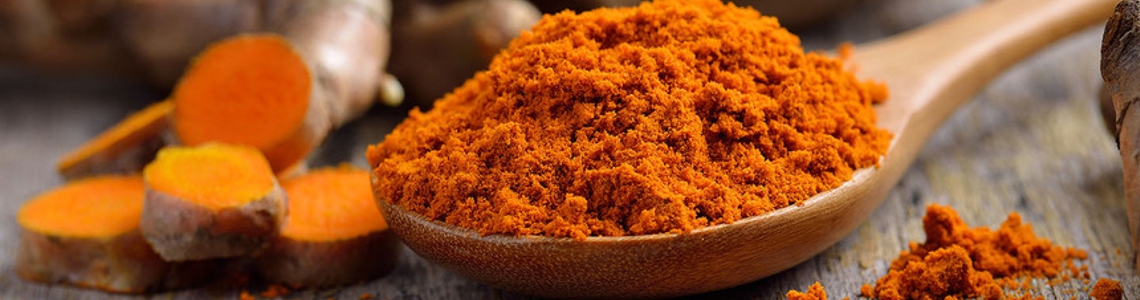
La Curcuma o Curcuma longa è un membro della famiglia dello zenzero ed è coltivata principalmente in Asia. Il suo rizoma non è solo la fonte di una delle migliori spezie culinarie, ma ha anche un certo numero di proprietà medicinali come anti-infiammatoria, antiossidante, anti-microbica, e molte altre.
L’alluminio è uno dei metalli più tossici per l’uomo e numerosi studi scientifici hanno dimostrato che la curcuma è enormemente efficace nel ridurre i danni da esso provocati all’organismo
L’alluminio, se pur presente in grandi proporzioni nell’ambiente, non è significativamente assorbito dal corpo. Solo lo 0,3% dell’alluminio somministrato per via orale viene assorbito dal tratto gastrointestinale in individui sani, ed è efficacemente eliminato dai reni. Il 95% del carico di alluminio viene eliminato dal corpo grazie ai reni attraverso l’urina. Tuttavia quando l’ingestione di allumino è frequente, i reni si danneggiano e l’alluminio inizia ad accumularsi nell’organismo. Negli individui con reni poco funzionanti soprattutto in età avanzata l’accumulo di alluminio è facilitato fin da subito. L’alluminio si deposita principalmente nei polmoni, fegato, tiroide, ossa e cervello.
Preparato per Pane alla Curcuma e Semi preziosi
Le fonti attraverso cui ci si può intossicare di alluminio
Molte sono gli strumenti o i cibi che ci possono intossicare e contengono alluminio. Una elenco esemplificativo ma non esaustivo è il seguente:
- Cucinare o avvolgere il cibo nei fogli di alluminio;
- Respirare la polvere di alluminio in ambiente di lavoro;
- Vivere vicino a discariche di rifiuti o aree dove l’alluminio viene estratto o trattato;
- Utilizzare padelle in alluminio;
- Consumare cibi e bevande in lattina;
- Prendere farmaci antiacidi, aspirina tamponata e per l’appunto dei vaccini;
- Usare deodoranti;
- Mangiare formaggio fuso;
- Bere caffettiera.
Effetti della curcuma
La Curcuma aiuta ad eliminare la presenza di metalli pesanti e quindi a prevenire, in una certa misurai danni che essi provocano ripulendo il fegato, purificando il sangue e facilitando una buona digestione.
La Curcuma o Curcuma longa è un membro della famiglia dello zenzero ed è coltivata principalmente in Asia. Il suo rizoma finemente macinato è una delle spezie culinarie più utilizzate in Oriente, è di colore giallo e per questo viene anche chiamato zafferano delle Indie, ma la sua somiglianza si ferma solo al colore. La Curcuma ha anche un certo numero di proprietà medicinali come anti-infiammatoria, antiossidante, anti-microbica, e molte altre. Questi attributi rendono la curcuma utile nel trattamento della neurotossicità indotta dall’alluminio e dall’insufficienza renale che contribuisce alla tossicità di questo metallo.
Alcuni scienziati ritengono che la curcuma può proteggere dall’azione dell’alluminio sulle disfunzioni cognitive e potrebbe essere rilevante nella terapia contro l’Alzheimer. Questo convalida un altro studio di cui abbiamo parlato in precedenza in cui si mostrava come curcumina e vitamina D possono essere un trattamento efficace per l’Alzheimer.
Perché allora non combinare le preziose caratteristiche della Curcuma in un prodotto buono da mangiare e bello da vedere, di un bel giallo che possa allietare la nostra tavola quotidiana.
Ecco che nasce il nostro preparato per Pane alla Curcuma che non si limita solo a questo ingrediente ma contiene anche altri cereali e semi molto interessanti.
Il nostro preparato contiene infatti anche semola di grano duro e molti semi di Avena, Girasole, Chia e Lino).
Il grano duro
Il grano duro (triticum durum) è un tipo di grano che si distingue per la sua particolare composizione proteica per cui i chicchi si presentano vetrosi e non farinosi. Ecco perché dalla macinazione del grano duro non si ottiene farina ma una polvere grossolana chiamata semola.
Macinando ulteriormente la semola si ottiene la "semola rimacinata" o "rimacinato" che ha le caratteristiche di una farina e si contraddistingue per il caratteristico colore giallo.
Il rimacinato può essere utilizzato per la produzione di pasta fresca o all'uovo oppure per produrre pane, tal quale o miscelato con farina di grano tenero.
I semi di Chia
I semi di chia contenuti sono ricchi di Omega 3 un acido grasso essenziale oramai noto a tutti che ha proprietà benefiche nella prevenzione di malattie cardiovascolari.
Inoltre i semi di Chia hanno proprietà nutrizionali degne di essere conosciute: a stupire è soprattutto il loro contenuto di calcio(177 mg per porzione da 100 g) e la presenza di vitamina C, ferro e potassio.
I semi di lino
Conosciuti da sempre per le loro proprietà emollienti e protettive, i semi di lino sono molto utili per combattere infiammazioni interne (ottimi ad esempio in caso di cistite) o esterne(malattie della pelle).
Un altro principio benefico dei semi di lino è dato dall'alta percentuale di mucillagini. Queste sostanze di origine vegetale hanno un potere lassativo e sono coadiuvanti nella prevenzione della stipsi ovvero della stitichezza. Non sono da considerarsi lassativi, ma emollienti intestinali che ne regolano la motilità. In questo modo l’intestino riattiva la peristalsi e consente la defecazione.
I semi di girasole ed i fiocchi di avena
Completano gli ingredienti presente nel Preparato alla Curcuma i semi di girasole ed i fiocchi di Avena che donano al pane un sapore invitante, una croccantezza ed una fragranza unica.
Preparato per Pane alla Curcuma e Semi preziosi