
Consigli pratici per una corretta lievitazione
 Che cos’è la lievitazione
I vari tipi di lievito
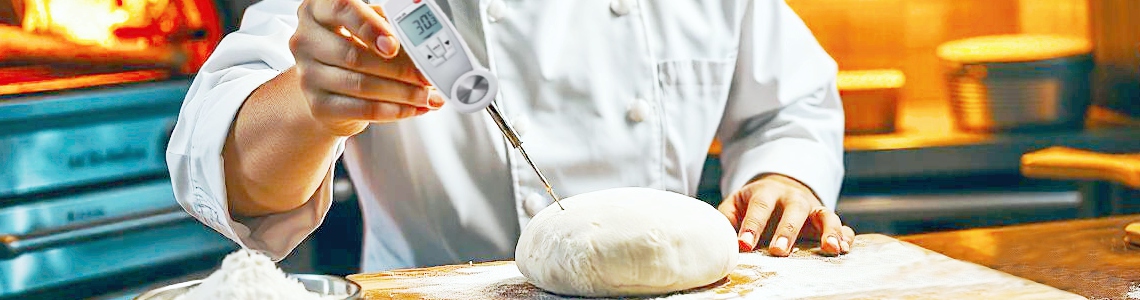
L’importanza della temperatura per una buona lievitazione
L’importanza dell’umidità per non ostacolare la lievitazione
 Come fare passo passo
➡️ CHE COS'È LA LIEVITAZIONE
La lievitazione è un processo per cui un impasto di farina aumenta di volume per effetto di un gas, prodotto al suo interno da organismi viventi o risultato di una reazione chimica da parte di sostanze chimiche. In ogni caso, con la lievitazione il pane od il dolce saranno caratterizzati da una struttura alveolare aperta, facile da addentare e piacevole da gustare.
Abbiamo già parlato, in un'altra pagina, del lievito e dei vari tipi di lievito utilizzati in pasticceria e panificazione (vedi qui), in questo articolo vogliamo invece dare qualche consiglio pratico per una corretta lievitazione quando si utilizza il lievito di birra.
Come già riferito nell'articolo su richiamato, il lievito di birra è un organismo unicellulare appartenente al regno dei funghi, denominato “saccharomyces cerevisiae”, che alimentandosi di carboidrati semplici produce gas sotto forma di anidride carbonica e etanolo. L'anidride carbonica gonfia la pasta e l'etanolo (alcool) evapora durante la cottura.
Scopri i preparati Dolci & Pani
➡️ L’IMPORTANZA DELLA TEMPERATURA PER UN’OTTIMA LIEVITAZIONE
L'attività del lievito è fortemente influenzata dalla temperatura:
-
a temperature molto basse, tra i 2 e i 6 °C il suo metabolismo è praticamente bloccato, sono infatti queste le temperature di conservazione in frigorifero, in cui il lievito mantiene in pieno la sua forza lievitante per circa 3-4 settimane. Bisogna però considerare che molte cellule muoiono anche a tali temperature e quando noi lo utilizziamo, quante più cellule vecchie o morte si trovano nel panetto di lievito, tanto peggiore sarà la sua forza lievitante.
-
a temperature superiori a 38° C le cellule iniziano in poco tempo a morire, l'attività lievitante si riduce drasticamente fino a cessare. È questo quello che avviene quando noi mettiamo l'impasto a cuocere. La temperatura del forno uccide progressivamente tutti lieviti.
-
sopra i 6° C il lievito inizia a produrre anidride carbonica ma è solo a temperature comprese tra i i 24 ed i 32 ° C che il processo assume rilevanza nella lievitazione del pane o del dolce, poiché il tempo impiegato per ottenere una “buona” lievitazione (del pane) è quello desiderabile di 1-2 ore dall'impasto.
Generalmente, a livello professionale, l'impasto già formato nelle pezzature desiderato viene posto a lievitare in cosiddette “celle di lievitazione”, ovvero armadi riscaldati all'interno (tra i 28 e 30° C) e opportunamente umidificati.
A questo punto ti sarà chiaro quanto è importante la temperatura per ottenere un'ottima lievitazione, mettiti alla prova subito!
Scopri i preparati Dolci & Pani
➡️ L’IMPORTANZA DELL'UMIDITÀ PER NON OSTACOLARE LA LIEVITAZIONE
Abbiamo già detto della lievitazione, dell'umidificazione diciamo subito che serve a mantenere umida ed elastica la superficie delle pezzature in modo da non ostacolare il rigonfiamento del pane o del dolce. La formazione di una crosta, se pur lieve, ostacolerebbe l'aumento di volume ovvero la lievitazione. Il problema è comunque maggiormente avvertito nella lievitazione di un pane piuttosto che di un dolce dolce. In quest'ultimo la presente di zuccheri e grassi creano una crosta più unta e comunque più morbida, ma è bene comunque anche in tal caso controllare periodicamente lo stato della crosta.
Hai capito quanto è importante anche l'umidità per una lievitazione corretta?
Scopri i preparati Dolci & Pani
➡️ COME FARE PASSO PASSO
A livello casalingo abbiamo quindi la necessità di ricorrere ad alcuni stratagemmi per mantenere umida la crosta durante la lievitazione che cercheremo di elencare:
-
Non avendo a disposizione una temperatura ottimale di lievitazione dovremo avvantaggiarci preparando un impasto tiepido. È infatti specialmente nella fase di “avvio” della lievitazione che è importante garantire ai lieviti un ambiente adatto al loro metabolismo. Per fare ciò dovremmo impastare la farina con acqua tiepida, se poi questa dovrà essere mischiata con ingredienti quali uova e burro, presi dal frigo, quindi piuttosto freddi, l'acqua dovrà essere abbastanza calda (comunque ad una temperatura sopportabile con le mani).
-
Quando l'impasto è pronto e si sono formati i pani o i dolci (ad esempio brioche) è necessario mettere le pezzature sulla teglia (ricoperta di carta da forno) e lasciarla fuori a temperatura ambiente ricoprendola con un telo di plastica. In questo modo l'umidità che fuoriesce dal pane o dal dolce viene trattenuta dal telo e così si mantiene umida la superficie delle pezzature (alcuni utilizzano un panno inumidito che però raffredda le superfici, si può anche usare un sacchetto di plastica tagliato ai lati, aperto e steso sulle pezzature, questa è peraltro una soluzione efficace ed economica ad un tempo).
-
Se si ha l'impressione che la temperatura ambiente sia bassa, e quindi la lievitazione rallenti si può accendere il forno al minimo (40-50°C) e infilare la teglia con i pani o i dolci (sempre coperte con il telo) per pochissimi minuti. Questo, giusto il tempo di permettere un lieve aumento della temperature dei prodotti da far lievitare. Controllate con la mano che la temperatura del forno non superi una soglia accettabile (ricordiamo che i lieviti, oltre ai 38° C cominciano a morire). Tenete poi ricordare, tolta la teglia, di regolare il forno alla temperatura di cottura per essere pronti ad infornare il tutto non appena si giudichi che la lievitazione è al punto giusto.
-
Controllare di tanto in tanto se sotto il telo la crosta si sta seccando, altrimenti con uno spruzzatore nebulizzare un po' di acqua sulle pezzature poste a lievitare.
-
Tenete presente che la lievitazione di un pane è molto più breve di un prodotto lievitato dolce (ad esempio brioche, treccia, pasta danese, croissant, panettone ecc.). I dolci contengono ingredienti quali burro o zucchero che “appesantiscono” molto l'impasto e richiedono tempi più lunghi per far lievitare opportunamente la massa.
➡️ ULTIMA ANNOTAZIONE
Non abbiate timore di quanto su esposto, è più difficile da descrivere che da fare! Diventa una maestra o un maestro della lievitazione, mettiti alla prova con i nostri preparati miscelati e dosati per te con materie prime selezionate.
Scrivi un Commento