
La frittura
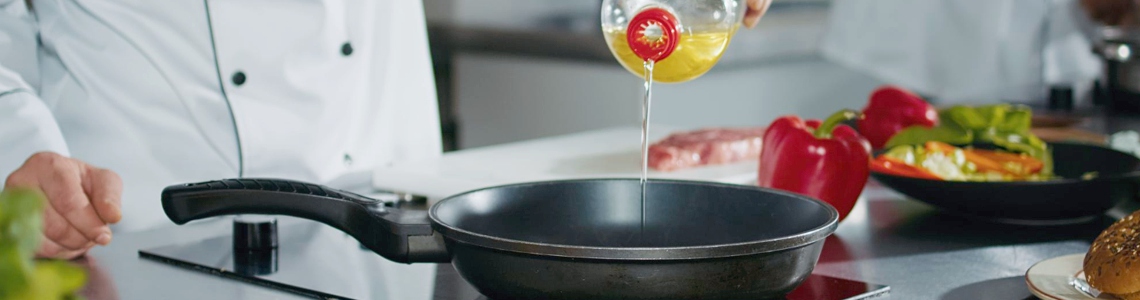
La frittura è un metodo di cottura largamente utilizzato in tutto il mondo e fin dai tempi antichi. Si friggono cibi sia dolci che salati. Un noto proverbio toscano dice che “fritta è buona anche una ciabatta”, per significare che una frittura stuzzica l'appetito e rende il cibo più saporito. Ed è vero!
Per una buona frittura riportiamo alcune temperature ottimali (in gradi centigradi) relativamente ad alcuni impieghi comuni:
| KRAPFEN | 180/185° |
| FRITTELLE, CASTAGNOLE, CHIACCHIERE ecc. | 170/180° |
| BIGNÈ | 180/182° |
| PATATINE | 185/190° |
| POLLO | 175/180° |
| VEGETALI | 165/170° |
Ovviamente la base della frittura è un olio o un grasso opportunamente riscaldato che può essere di natura sia vegetale sia animale, ma quale consigliare?
IL PUNTO DI FUMO E L'ACROLEINA
Quando noi friggiamo notiamo che ad un certo punto dall'olio si alza del fumo: altro non è che acroleina, una sostanza che è nociva per la mucosa gastrica e per il fegato.
La temperatura oltre la quale appare il fumo viene chiamata “punto di fumo” ed a quella temperatura l'olio o il grasso comincia a decomporsi.
| Oli/grassi | Raffinati | Non raffinati |
| Arachide | 230 | 160 |
| Colza | 225 | n.c. |
| Girasole | 225-245 | 110 |
| Mais | 230 | 160 |
| Oliva | 190-240 | 160-210 |
| Palma | 230-240 | 210-220 |
| Soia | 230-240 | 160 |
| Vinacciolo | 220 | n.c. |
| Burro | 180 (chiarificato) | 110-130 |
| Strutto | n.c. | 180-190 |
Scrivi un Commento