
Che cos'è una piega semplice ed una piega doppia?
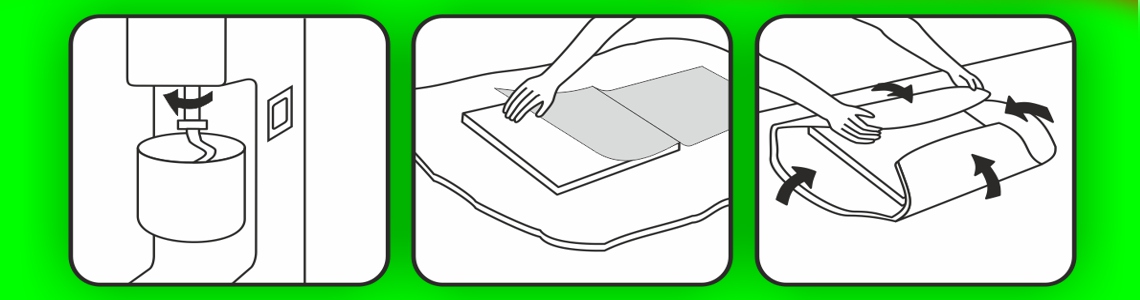
Nella preparazione della pasta sfoglia o dei croissant, la materia grassa (il burro o la margarina) vengono avvolte nella pastella (impasto di farina, acqua, sale, eccetera), che poi viene progressivamente "sfogliata" ovvero ridotta a strati sottilissimi.
La sfogliatura si ottiene spianando l'impasto (pastella+materia grassa) con il mattarello (a livello professionale si usa la "sfogliatrice") ad uno spessore opportuno (dipende dalla quantità della massa) e poi "girato" dando appunto le cosiddette "pieghe".
Il procedimento è il seguente: dopo la prima piega, l'impasto viene ancora spianato e quindi viene ancora piegato e così via, tante volte quanto è indicato nella preparazione della ricetta.
Si definisce piega semplice (o piega a 3) la piegatura dell'impasto su sè stesso formando 3 strati: si prende un lembo e lo si piega fino a farlo combaciare ad un lunghezza di circa 2/3 dell'impasto, quindi il lembo opposto viene piegato sul lembo girato.
Esempio di piega semplice:

Si definisce piega doppia (o piega a 4) la piegatura dell'impasto su sè stesso formando 4 strati: si prende un lembo e lo si piega fino a farlo combaciare con la metà dell'impasto, lo stesso con l'altro lembo, infine la metà dell'impasto piegato viene sovrapposto sull'altra metà.
Esempio di piega doppia:

Scrivi un Commento