La "Regina" in pasticceria

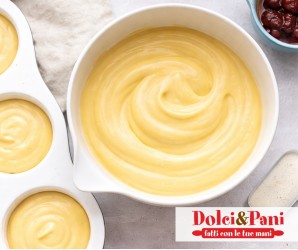
La "Regina" in pasticceria è la crema pasticcera.
La crema pasticcera, le cui origini sembrano risalire alla fine del 1600 in Francia, è una componente fondamentale per la preparazione di molti dolci.
Viene considerata la "Regina" incontrastata delle farciture e delle guarnizioni in pasticceria, desiderata da tutti i palati golosi.
La crema pasticcera viene utilizzata per farcire un numero incredibile di dessert come le crostate, i croissant, i dolci con pasta sfoglia (cannoli o cannoncini, vol-au-vent, millefoglie), i fritti come i bomboloni, le frittelle, le castagnole, le zeppole ecc.
Riesce a trasformare un comune Pan di Spagna in un dolce molto gradito, come pure esalta il Bignè, che ha un sapore neutro, in una piacevole prelibatezza da gustare. Dona un tocco speciale anche a semifreddi e a dolci al cucchiaio!
È incredibile come con pochi ingredienti comuni, messi insieme, quali le uova, il latte, lo zucchero e la farina o dell'amido si possa dar vita ad un dolce invitante, vellutato, ricco di gusto, perfetto per mille occasioni speciali.
La crema pasticcera è anche versatile. Può essere mischiata con cacao, cioccolato, panna, caffè, e tante altre sostanze aromatizzanti; di moda è recentemente quella aromatizzata con il pistacchio. Insomma è la regina di un gioco di sapori che la fantasia non può frenare:
- chi non conosce ad esempio la “crema diplomatica”, impropriamente chiamata “chantilly”, quell'incredibile binomio di crema pasticcera e panna montata, da moltissimi apprezzata?
- chi non conosce la crema al limone, avvolgente e deliziosa, connubio tra crema pasticcera e limone, diventata famosa nella Torta della Nonna, ma ideale per la farcitura di dolci con Pan di Spagna, pasta choux o frolla? La crema di limone, a sua volta, può essere guarnita con pezzi di frutta e scorzette candite. Una variante della crema al limone è quella all’arancia oppure al mandarino, ottime da gustare come fresco dessert al cucchiaio al termine di una cena con gli amici.
L PROCEDIMENTO
La ricetta la trovate in fondo alla pagina, ora vediamo il procedimento.
- Si prendono i tuorli d’uovo (meglio se pastorizzati e a temperatura ambiente) e si montano velocemente con lo zucchero semolato fino ad ottenere un composto bianco, liscio e spumoso, al quale si andrà ad aggiungere lentamente la farina o l’amido setacciato.
- Contemporaneamente si porta ad ebollizione il latte (meglio se intero a lunga conservazione, ma c’è qualche ricetta che propone di sostituirlo parzialmente con la panna). Lo si aromatizza con bacca di vaniglia (e/o scorza di limone), si aggiunge un pizzico di sale (aiuta ad esaltare la sapidità).
- Al latte tiepido, riscaldato a fuoco lento, si aggiunge la miscela di tuorli, zucchero e farina, e si inizia a mescolare il tutto con un frustino, senza mai smettere. Quando comincia a formarsi la "crema", si vede che nel pentolino inizia a “borbottare”, continuate a mescolare fino all'addensamento completo.
- Togliere dal fuoco la crema ottenuta, lasciandola raffreddare, meglio se in forma veloce (per un attimo in freezer o immersa in bagnomaria di acqua e ghiaccio), per evitare la formazione di carica batterica.
- Una volta raffreddata, dategli una bella e vigorosa girata con la frusta. Et voilà! Così la crema pasticcera è pronta, liscia e lucida.
ERRORI DA EVITARE
Gli errori più comuni sono:
- utilizzare un pentolino con fondo normale: meglio con il fondo spesso (o anti-aderente) in modo da evitare che si attacchi sul fondo. Un attimo di distrazione può essere fatale e la vostra crema formerà dei brutti grumi bruciacchiati;
- non setacciare la farina (o l’amido): c'è il rischio che si formino dei grumi;
- portare ad ebollizione troppo velocemente la crema: correte il rischio di attaccare la crema sul fondo. L'ottimale è cuocere a fuoco lento;
- stancarsi di mescolare durante la cottura: penalizza la cremosità finale ed ancora tendono a formarsi grumi;
- raffreddare lentamente la crema a fine cottura: per evitare la proliferazione immediata di batteri, ma anche per evitare che si formi una "buccia budinosa" sulla superficie della crema.
Per i motivi elencati, a livello professionale, viene utilizzato un apparecchio detto "cuocicrema" che provvede al mescolamento continuo ed alla cottura degli ingredienti, permettendo di regolare le temperature, i tempi di cottura e la velocità di agitazione. Inoltre, a fine cottura la crema ottenuta viene pastorizzata e poi raffreddata in condizioni di assoluta igiene, poiché bisogna assolutamente ricordare che la crema pasticcera, contenendo uova e latte, è facilmente attaccabile da agenti patogeni come la salmonella e va quindi conservata bene. Meglio se consumata subito!
PER CHI NON VUOLE GRATTACAPI
Al metodo tradizionale appena spiegato, esistono 2 alternative molto valide che pure noi proponiamo. Si badi, trattasi di alternative che possono sostituire in maniera egregia la preparazione della crema pasticcera:
Utilizzare un "Preparato per Crema Pasticcera tradizionale a caldo" che è composto da una miscela di amidi, aromi ed addensanti naturali, da cuocere insieme ad uova, latte e zucchero (come nella vera ricetta tradizionale), per un risultato perfetto e pratico.
Utilizzare un "Preparato per Crema Pasticcera veloce" che si addensa con latte e/o acqua. Non si deve scaldare, non si aggiungono uova e zucchero, ma in poco tempo si ottiene una crema liscia e prelibata. Provare per credere. Non contenendo uova non è soggetta al rischio di carica batterica tipico della crema tradizionale.
RICETTA TRADIZONALE
- FARINA O AMIDO g 80-100
- TUORLI g 200-250
- ZUCCHERO g 300-350
- LATTE INTERO g 1000
- SALE Q.B.
- AROMA vaniglia o bacca di vaniglia Q.B.
- BUCCIA di limone grattugiato Q.B.
RICETTA CON PREPARATO A CALDO
- PREPARATO g 100
- TUORLI g 150
- ZUCCHERO g 300-350
- LATTE INTERO g 1000
RICETTA N.1 CON PREPARATO VELOCE
- PREPARATO g 320
- LATTE g 1000
RICETTA N.1 CON PREPARATO VELOCE
- PREPARATO g 350
- ACQUA g 1000
COME UTILIZZARE LA CREMA PASTICCERA
Come per tutti i preparati freschi, anche la crema pasticcera può e deve essere conservata (per poco tempo) in frigorifero. Cosa si può fare? La crema pasticcera si accosta benissimo alla preparazione di tantissimi dolci; quindi basterà dare libero sfogo alla propria fantasia per realizzare dolcetti e merende rendendo speciali anche i giorni normali!
Potete decidere se utilizzarla come farcitura per piccoli bignè, in questo caso è una soluzione classica. Potete poi sciogliere del cioccolato fondente e ricoprirli, o semplicemente potete spolverarli con cacao in polvere e con zucchero a velo.
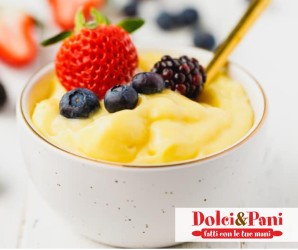
Un altro modo semplice e veloce per utilizzare la crema pasticcera è quello di amalgamarla a pezzettoni di frutta di stagione e gustarla in coppa come un cremoso dessert di fine pasto.
La crema pasticcera, oltre ad essere un’ottima base per la farcitura dolce delle torte, nelle giuste dosi può essere anche amalgamata all’impasto delle ciambelle e dare vita a invitanti e soffici merende.
Con la pasta sfoglia come base potete realizzare dei dessert farciti con crema e pezzi di frutta fresca, spolverando il tutto con zucchero a velo e scaglie di cioccolato bianco.
Se invece avete ancora a disposizione gli ingredienti per realizzare una base di pasta frolla o se ne avete già pronta in casa, potete divertirvi a preparare una gustosa crostata con crema pasticcera da arricchire a piacere con frutta a pezzetti o con gocce di cioccolato.
Inoltre, se le feste natalizie sono finite da poco, quale migliore occasione per finire il pandoro e il panettone grazie all'aiuto della crema pasticcera? Possono rinnovarsi e diventare favolosi dessert per i vostri ospiti: zuccotti, crumble di mele, dolci al cucchiaio e molto altro ancora.
La crema pasticcera può perfino essere un’ottima alternativa alla crema al mascarpone per la realizzazione di un gustoso tiramisù. Procedete come sempre e sostituite i due ingredienti: il risultato sarà impeccabile e tutti ne andranno matti.
Andiamo ora un po' più nel dettaglio...
SEMIFREDDI
Come per la ricetta alternativa al classico tiramisù, la deliziosa crema pasticcera è un ingrediente ideale per la realizzazione di gustosi semifreddi da assaporare un cucchiaino dopo l’altro.
La base di un qualsiasi semifreddo è infatti composta da tre ingredienti principali: crema pasticcera, meringa all'italiana e panna montata. Amalgamando insieme questi tre elementi otterrete un semifreddo dal gusto delicato e neutro che potrete poi aromatizzare e arricchire con i gusti che preferite.
Infatti, basta amalgamare diversi ingredienti alla crema classica per ottenere dei dolci al cucchiaio freschi e golosi. Per esempio, con del caffè solubile potete realizzare una crema al caffè da servire fredda in coppa con gocce di cioccolato. Oppure, con l’aggiunta di pezzettini di torrone e gianduia, potrete ottenere un semifreddo al torrone, golosissimo con una copertura di ganache al cioccolato.
Aggiungendo della panna montata alla crema pasticcera otterrete la variante all'italiana della famosa crema chantilly con cui realizzare un piacevole semifreddo, perfetto se guarnito con una granella di nocciole.
Infine, vi consigliamo di provare il sublime semifreddo al limone: un dessert estivo con fresca crema pasticcera aromatizzata, meringa al limone e panna montata. Un dolce sfizioso, perfetto dopo un pranzo a base di pesce.
TORTA MIMOSA
La classica torta mimosa è allegra e colorata e prende il nome dalla decorazione che ne ricorda appunto il classico fiore. Per questo motivo, è un dolce perfetto da servire a tavola il giorno della festa della donna. Il cuore di questa torta è costituito dalla soffice crema diplomatica (unione di crema pasticcera e panna montata, attenzione a non mescolare troppo, si devono intravedere delle striature bianche/gialle).
Il procedimento per la realizzazione della torta mimosa è abbastanza semplice: si tratta di una torta a strati con Pan di Spagna bagnato in un composto alcolico con Grand Marnier, o, analcolico, con una bagna al profumo di agrumi.
Realizzate tre strati ricoperti con la crema. Tutto attorno spalmate sulla torta delle crema pasticceria, servirà da "collante" per ricoprire il top e i bordi con dei dadini di Pan di spagna (che avrete preventivamente tagliato!).
Lasciate riposare in frigorifero per un paio d’ore e servite con una leggerissima spolverata di zucchero a velo.
In alcune ricette varianti si è soliti arricchire la crema pasticcera con tante fragoline tagliate a pezzetti, con l'ananas o anche con il limone. Potete inoltre rendere più gonfia e morbida la crema aggiungendo al composto la giusta quantità di panna montata.
CROSTATA
La crema pasticcera, con il suo gusto delicato, è adatta anche per la cremosa farcitura delle crostate al posto della classica marmellata.
Preparate la pasta frolla per la crostata secondo la ricetta tradizionale e guarnite con la crema al sapore di limone e vaniglia. Potete aromatizzare la crema anche con cannella o scorze di arancia. Dopo la cottura in forno, avrete un dolce delizioso che farà felici i più golosi e anche chi ama le creme profumate e intense su una base fragrante che si scioglie in bocca.
Potete guarnire la vostra crostata con frutta fresca: la crostata pasquale con crema pasticcera, per esempio, è un ottimo dolce, fresco e colorato, ideale da servire come dessert dopo il pranzo in famiglia.
Anche la più tradizionale delle crostate come quella 'alle mele' può essere arricchita da un morbido strato sottostante di crema pasticcera.
Questa variante può essere preparata anche con la cosiddetta cottura in bianco, ovvero facendo cuocere per prima il guscio di pasta frolla e aggiungendo in un secondo tempo la crema e le mele cotte in padella insieme ad un po' di burro e zucchero. Il risultato sarà altrettanto squisito, ma anche più fresco e leggero.
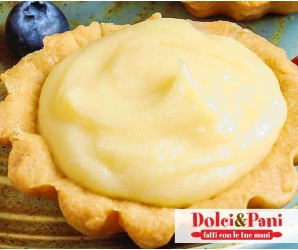
In alternativa, se avanza della frolla, potete preparare dei deliziosi cestini di frolla con frutta: pasticcini ripieni di crema pasticcera con frutta fresca di stagione. Provate ad aromatizzare la crema con l’essenza di mandorle ed otterrete un dessert delicatissimo e raffinato. I cestini di frolla sono anche ideali da guarnire con crema pasticcera alla nocciola. Basta frullare le nocciole tostate alla crema con un po’ di latte e lo zucchero semolato per ottenere un composto goloso che piacerà anche ai più piccoli.
TORTA DELLA NONNA
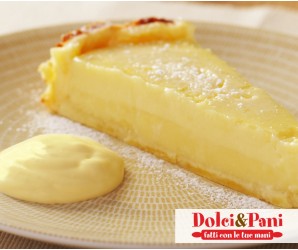
La crema pasticcera costituisce anche la base della classica torta della nonna: un dolce intramontabile che ricorda i sapori buoni e genuini di una volta.
Stendete una fragrante base di frolla su una teglia tonda foderata con carta da forno. Farcite con un abbondante strato di crema pasticcera al limone, guarnita con pinoli e zucchero a velo. La regola è aromatizzare la crema pasticcera con il succo di limone, anche se in molte zone la crema pasticcera è aromatizzata con i semi di bacca di vaniglia o con la classica bustina di vanillina.
Potete inoltre personalizzare la vostra torta della nonna aggiungendo un velo di marmellata sul fondo della base di pasta frolla prima di versarvi all'interno il ripieno di crema pasticcera. Il velo di marmellata aiuta a non inzuppare troppo la pasta frolla della farcitura sovrastante.
La torta della nonna può essere servita aperta o chiusa tra due frolle morbide e profumate con scorza di limone. Nel caso della versione aperta, la sua forma finale sarà più simile a quella di una crostata con crema pasticcera.
È il dolce perfetto per ogni occasione, ideale per concludere in bellezza i pranzi in famiglia, o come colazione la domenica mattina.
LA CLASSICA TORTA DI COMPLEANNO
La crema pasticcera è un vero proprio jolly per le torte da occasione!
Può essere il cuore della vostra torta di compleanno: preparate il Pan di Spagna, tagliatelo a metà e farcite con un bel e buon strato di crema pasticcera e la panna fresca da montare. Con la panna montata ricoprire i bordi ed il top della torta. Con il sacchetto da pasticciere decorate con ciuffetti i bordi e scrivete con un filo di cioccolato fuso gli auguri! Ecco la vostra bellissima e buonissima torta di compleanno, come quella appena uscita da una pasticceria!