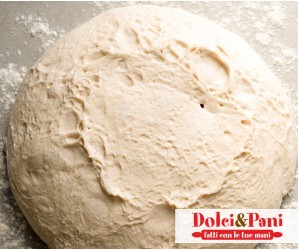
Il lievito per il pane, questo illustre microrganismo
Fare il pane è sempre stata un’arte che oggi sempre più appassionati coltivano tra le mura domestiche per il piacere di tutta la famiglia. E per il piacere di inondare la casa di un profumo piacevolmente inconfondibile.
Per fare il pane basta prendere della FARINA DI GRANO TENERO o di GRANO DURO e poi:
- aggiungere eventualmente uno o più CEREALI O SEMI COMMESTIBILI NATURALI, bilanciati fra loro,
- non dimenticare un ingrediente primario come il SALE (anche se in certe zone il pane è "sciocco"),
- impreziosire con un elemento caratterizzante della cucina mediterranea, l’OLIO EXTRA-VERGINE DI OLIVA,
- dosare una quantità sufficiente d’ACQUA per amalgamare bene l’impasto.
- A tutto questo manca però un illustre microrganismo per iniziare a dare vita ad un concerto di sapori e profumi invitanti: il LIEVITO.
Ma quale tipo di lievito usare?
CHI PREFERISCE LE COSE SEMPLICI
oppure chi ha problemi di tempo, non è un grande esperto oppure usa la macchina del pane, sceglie il LIEVITO DI BIRRA, costituito da un ceppo di funghi chiamati “saccharomyces cerevisiae”, che in lievitazione producono una fermentazione alcolica con anidride carbonica, gas che induce il rigonfiamento dell’impasto e la formazione delle “bolle” che contraddistinguono l’alveolatura del pane.
Il dosaggio d’impiego nel pane può variare da 25 grammi a 40 per Kg di farina impastata.
Ovviamente meno se ne utilizza e più aumentano i tempi di lievitazione.
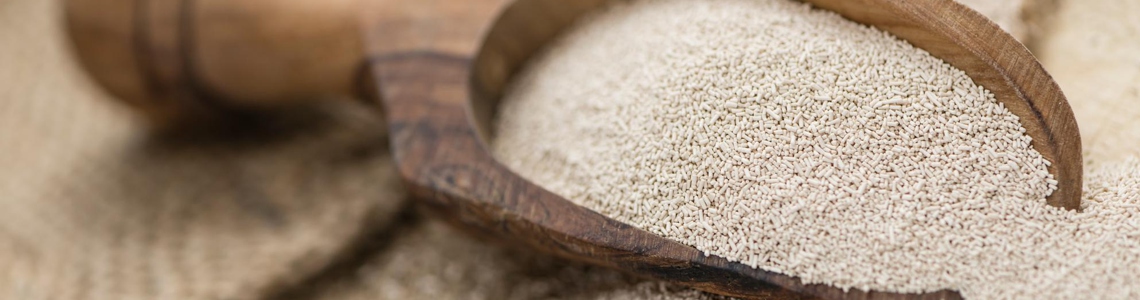
Noi consigliamo l’impiego del nostro INSTANT SUCCESS, lievito di birra essiccato, che va usato nella quantità di 1/3 (ovvero 3 volte di meno) rispetto al lievito fresco compresso.
Il nostro INSTANT SUCCESS è anche istantaneo, diverso dal tipo disidratato (da idratare) che necessita invece di essere idratato e riattivato in acqua tiepida per 10-15 minuti ed è utilizzato nella quantità di 1/2 (metà) rispetto a quello fresco, richiede cioè una quantità superiore rispetto al tipo istantaneo.
INSTANT SUCCESS è un lievito di birra, da non confondersi con il "Lievito istantaneo per dolci" che si trova in commercio, che è un lievito chimico (tipo "Bertolini") a base di agenti lievitanti.
Cosa importantissima da sapere: il lievito disidratato istantaneo si conserva per molto tempo anche dopo aperta la confezione, soprattutto se non prende troppa umidità.
Vuoi vedere INSTANT SUCCESS? Clicca sul bottone.
Lievito di Birra Essiccato
I PIÚ ESPERTI INVECE
che ricercano una soluzione più gratificante anche se complessa, meno pratica e più lenta, preparano la pasta madre (o lievito naturale), che è un insieme di lieviti, fra cui il “saccharomyces cerevisiae”, e batteri lattici, come “lactobacillus”, che in lievitazione producono, oltre all’anidride carbonica, acido lattico e a volte acido acetico ed altre sostanze aromatizzanti seppure in misura inferiore.
Per chi si cimenta con il lievito naturale il processo prevede “rinfreschi” per più giorni, facendo attenzione alle temperature, fino alla giusta maturazione raggiungendo il grado di acidità ottimale (range PH 4,5-5,5), per poi continuare a mantenerlo vivo in frigorifero con una cura certosina, poiché i microrganismi che compongono la pasta madre devono essere costantemente nutriti e messi nella condizione di riprodursi.
Il dosaggio può variare solitamente dal 20 al 25% rispetto al peso della farina.
Nella nostra gamma abbiamo un LIEVITO MADRE in polvere, con l’aggiunta di lievito secco che fa da “starter” ovvero fa ripartire la lievitazione naturale quando lo si impasta con acqua. Questa soluzione è un ottimo compromesso fra il classico lievito naturale casalingo ed il lievito di birra.
Il dosaggio di utilizzo è del 4–5% sul peso della farina.
Vuoi vedere com'è il nostro LIEVITO MADRE? Clicca sul bottone.
Lievito Madre con aggiunta di Lievito Secco