
Sulla lievitazione, quanti tipi di lievito esistono?
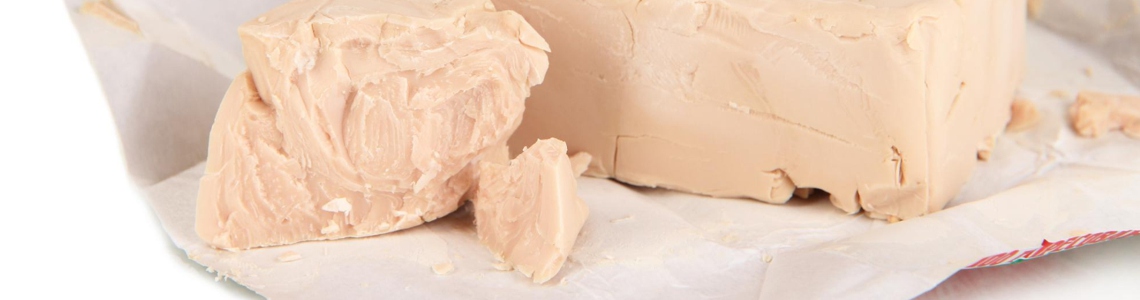
In molte ricette di preparati per torte ed in tutti i preparati per pani si fa uso del lievito. Ma esattamente che cos'è il lievito e a cosa serve? Cominciamo con il dire che esistono principalmente tre tipi di lieviti: il lievito di birra, il lievito naturale ed il lievito chimico (o istantaneo per dolci).
Tutti servono a fare lievitare un impasto (anche se in modo diverso), producendo un gas all'interno dell'impasto così da gonfiarlo, sollevarlo, aumentarne il volume, cosicché durante o dopo la cottura il nostro pane o la nostra torta risulteranno fragranti e ben alveolati, morbidi da addentare e ovviamente da gustare. Vediamo la differenza con cui questa produzione di gas avviene!
LIEVITO DI BIRRA
Con il nome di lievito di birra, chiamato così perché scoperto studiando i depositi di fermentazione della birra diversi già diversi secoli fa, si intende un organismo unicellulare appartenente al regno dei funghi, denominato “saccharomyces cerevisiae”. Esso ha assunto un ruolo molto importante nell'alimentazione umana per il suo utilizzo nella produzione di pane e di molti dolci lievitati ed è noto fin dall'antichità per la produzione di birra (da cui il nome) ma anche del vino. In panificazione si sfrutta la sua caratteristica di produrre gas che liberandosi all'interno dell'impasto produce il fenomeno della lievitazione.
Come ogni organismo vivente anche il lievito ha un suo ciclo di vita: nasce, mangia, si sviluppa, si riproduce, muore. Il lievito di birra una volta impastato, in presenza di acqua e a temperature ottimali sopra i 20° C, comincia a mangiare le sostanze zuccherine (particolarmente destrosio) presenti nella farina o nell'impasto in genere. La fonte principale di cibo è l'amido (carboidrato polisaccaride) di cui è composta in gran parte la farina (vedi l'articolo su “La farina”) che grazie agli enzimi, presenti già in natura nel chicco di grano, scinde la molecola di amido in composti zuccherini che servono per alimentare il lievito. Questi si moltiplica (attraverso un processo di gemmazione) e dà origine a nuovi lieviti che in numero sempre maggiore producono, quale prodotti terminali del metabolismo, anidride carbonica (gas) ed etanolo.
Ad un certo punto la quantità di gas prodotta è tale da riuscire a “sollevare” l'impasto, facendo forza sulla maglia glutinica (vedi l'articolo su “La maglia glutinica”) nel tentativo di uscire dall'impasto per disperdersi nell'ambiente. Tutto questo processo dura finché il lievito trova alimento (zuccheri) disponile all'interno dell'impasto. Prima che ciò accada, ovvero prima che l'impasto cominci a collassare e sgonfiarsi, bisogna cuocere il pane o la nostra bella torta.
Il lievito di birra normalmente acquistabile in negozio è compresso in panetti da 25 grammi (a livello professionale è disponibile in pacchetti da 500 grammi) insieme a delle sostanze nutrienti per far si che non muoia sino al momento della sua utilizzazione. Va però conservato ad una temperatura dai 2 e i 6 °C per mantenere basso il livello di metabolismo cosicché in queste condizione si conserva in frigo per circa 1 mese.
Variante del lievito di birra, non nella sostanza ma più nella forma, è il lievito secco che non è altro che il lievito di birra opportunamente liofilizzato (attraverso la rimozione dell’acqua presente nelle cellule dei lieviti, a bassa pressione e temperatura ambiente). In tal modo le cellule vengono rese inattive fino a che, con l'aggiunta di acqua durante l'impastamento, non vengono reidratate così da riavviare il loro metabolismo e quindi la loro capacità di produrre gas. Non contenendo acqua, questo tipo di lievito si può conservare a lungo a temperatura ambiente.
Nel nostro catalogo proponiamo un ottimo IL LIEVITO DI BIRRA ESSICCATO. Clicca sul bottone.
Lievito di Birra Essiccato
Parlando di lievito, taluni parlano di lievito integratore come di un particolare tipo di lievito che migliora l'impasto. Probabilmente si fa riferimento non tanto a microrganismi cellulari ma a prodotti in polvere che servono a migliorare la lievitazione, soprattutto in presenza di farine qualitativamente modeste se non addirittura scadenti. In questo caso il “lievito integratore” o per meglio dire l'”integratore per pane” non ha la funzione di produrre gas ma di fare in modo che il gas prodotto sia trattenuto maggiormente all'interno dell'impasto (vedi l'articolo su “La maglia glutinica”).
IL LIEVITO NATURALE
Il lievito naturale è, come il lievito di birra, un lievito biologico e di fatto è un impasto di farina e acqua acidificato da un complesso di lieviti (tra cui è presente in grande quantità il ceppo “saccharomyces cerevisiae” del lievito di birra) e batteri lattici (del genere “lactobacillus”) che sono in grado di avviare la lievitazione attraverso la produzione di gas.
A differenza del lievito di birra, la fermentazione del lievito naturale, con i suoi batteri lattici, è molto più lenta e produce acidi organici, permettendo una maggiore crescita del prodotto lievitato ed una maggiore digeribilità e conservabilità (vedi articolo sulla pasta madre).
Il lievito naturale è chiamato anche pasta madre, lievito acido, pasta acida, lievito madre o crescente. È indispensabile nella preparazione di dolci come il panettone, la colomba pasquale ed il pandoro, poiché ha una maggiore capacità di lievitare impasti pesanti. Essendo un lievito "lento", in questi prodotti, necessita di una lievitazione di 24 ore e più.
La preparazione del lievito naturale è concettualmente semplice, molto meno semplice nella pratica, ed inizia preparando un impasto di farina ed acqua e favorendo una lievitazione acida spontanea per opera dei microrganismi naturalmente presenti nella farina, nell'acqua e nell'ambiente. Tale acidità può essere accelerata aggiungendo all'impasto della frutta. Poiché sulla superficie di molti frutti si forma la pruina, che contiene tra l'altro “saccharomyces cerevisiae”, si spiega perché nel lievito naturale, come già accennato, si forma una grande quantità dello stesso ceppo di lievito presente nel lievito di birra.
Per aiutare i nostri clienti a preparare il lievito naturale è disponibile il nostro LIEVITO MADRE IN POLVERE. Clicca sul bottone.
Lievito Madre con aggiunta di Lievito Secco
IL LIEVITO CHIMICO
Il lievito chimico (detto anche “lievito istantaneo”, o professionalmente “BAKING”) è una polvere fine e bianca che reagisce, in presenza di calore, con le sostanze acide presenti nell'impasto e libera un gas che come avviene con il lievito di birra, fa crescere l'impasto o la massa dolciaria con il risultato di dare ai dolci, con la cottura, una struttura soffice e areata. Rispetto al lievito di birra e ancora più del lievito naturale, la produzione di gas con il lievito chimico è molto veloce. Per questo non si presta alla lievitazione del pane o di dolci come la brioche (peggio ancora nel panettone), ma è indicata per la lievitazione di masse montate semiliquide (come è il caso per il nostro preparato per pan di spagna) o nelle frolle (presente nel nostro preparato per biscotti), ovvero quando si debbano sollevare impasti “leggeri”.
Nel lievito istantaneo (baking) avviene quindi una vera e propria reazione chimica, in cui sostanze come il carbonato acido di sodio (meglio noto come bicarbonato di sodio e codificato tra gli additivi con la sigla E 500), in presenza di sostanze acide (ad esempio il difosfato disodico, noto anche come pirofosfato di sodio, additivo codificato con la sigla E450) si decompone liberando anidride carbonica gassosa ed acqua.
Esempi di lieviti chimici noti al grande pubblico sono il “Lievito Bertolini” oppure il “Lievito Pan degli Angeli” (marchi entrambi della Cameo S.p.a.) che, rispetto ai prodotti professionali utilizzati in pasticceria, sono lieviti chimici aggiunti di vanillina o altra polvere aromatizzante.
Una variante del lievito chimico è il cosiddetto CREMOR TARTARO. In tal caso il difosfato disodico è sostituito da un'altra sostanza acida denominata idrogeno tartrato di potassio od anche bitartrato di potassio (additivo con il numero E470a). La differenza rispetto al BAKING è che la reazione chimica per produrre anidride carbonica è ancor più veloce e pertanto si presta perlopiù per la preparazione di alcuni tipi di biscotti.
Nel nostro catalogo proponiamo un buon LIEVITO ISTANTANEO PER DOLCI. Clicca sul bottone.